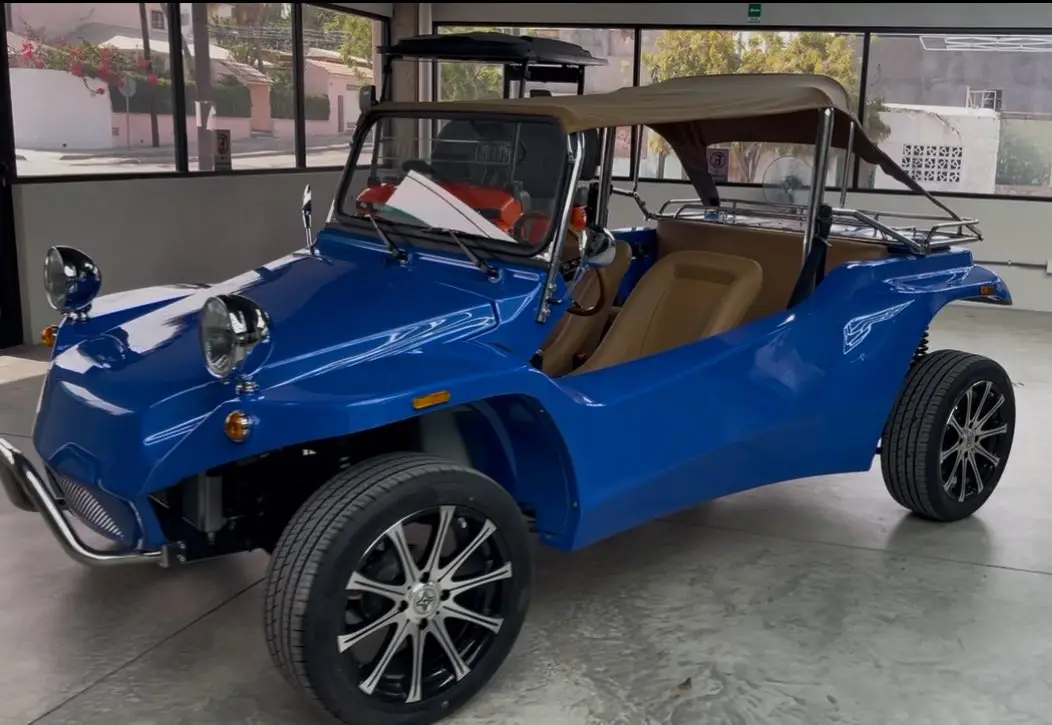
A vehicle can look ready for the road and still be the wrong choice for the routes you plan to drive. That is the practical issue behind a street legal buggy vs LSV decision. A homeowner may need an easy way to reach the beach, golf course, or local shops. A resort may need dependable guest transportation. A service team may need cargo capacity, weather protection, and all-day reliability.
The right answer depends less on appearance and more on where the vehicle will operate, how many people it will carry, and what local authorities allow. Before choosing a model, start with the roads – not the paint color, seating layout, or accessories.
Street Legal Buggy vs LSV: Start With the Road
“Street legal” is not a single vehicle category. It is a description that generally means a vehicle has the required equipment, documentation, registration, and insurance to operate on certain public roads in a specific jurisdiction. Those requirements can vary by country, state, municipality, and even private community.
A street legal buggy is often a broader term used for a compact recreational or utility-style vehicle equipped for approved road use. Depending on the model and local rules, it may have headlights, taillights, turn signals, mirrors, a windshield, seat belts, a horn, a vehicle identification number, and other required components. Some buggies are electric, while others use gas power. They may be designed primarily for neighborhood travel, resort operations, or mixed use on private property and approved local streets.
An LSV, or low-speed vehicle, is a more defined classification in the United States. Federal standards generally describe an LSV as a four-wheeled motor vehicle with a top speed of more than 20 mph but not more than 25 mph and a gross vehicle weight rating under 3,000 pounds. To be sold as an LSV, it must meet specific federal safety equipment requirements.
That distinction matters. An LSV has a recognized federal vehicle classification, but it is not automatically allowed on every street. State and local laws determine where it can operate, how it must be registered, and whether a licensed driver is required. A road-legal buggy may also qualify as an LSV, but not every street legal buggy fits that category.
For buyers in Baja California Sur and other resort markets, local regulations deserve the same attention as the vehicle itself. A vehicle approved for a private development, golf course, or resort property may have different operating rules than one intended for public roads in Cabo San Lucas, San Jose del Cabo, La Paz, or another municipality.
What Makes an LSV Different?
The biggest advantage of an LSV is clarity. When a vehicle is manufactured and documented as an LSV, buyers have a stronger starting point for registration and road-use conversations. It is built to a known equipment standard rather than simply being a golf cart with added accessories.
Typical LSV safety equipment includes headlights, brake lights, turn signals, reflectors, mirrors, a windshield, parking brake, seat belts, and a vehicle identification number. Many models also include features that make everyday use more comfortable, such as a roof, lockable storage, upgraded seating, a rear camera, or a Bluetooth sound system.
Still, LSV does not mean highway-ready. Its speed range is intentional. These vehicles are generally best for lower-speed streets, planned communities, resorts, marinas, campuses, and local routes where traffic moves at a compatible pace. They are not designed to merge with fast-moving traffic or replace a conventional car for every trip.
An LSV can be an excellent fit when your routes are predictable. A second-home owner traveling between a residence, clubhouse, beach access point, and nearby amenities may value quiet electric operation, low running costs, and a compact footprint. Resorts and hospitality properties often appreciate the clean appearance and passenger-friendly layout, especially for guest shuttles or maintenance transportation.
The trade-off is flexibility. If your daily route includes roads that are too fast, steep terrain, rough surfaces, or heavier loads, an LSV may not have the speed, suspension, ground clearance, or towing capability you need.
Where Street-Legal Buggies Offer More Flexibility
Street-legal buggies can cover a wider range of needs because the term includes multiple vehicle styles. Some are polished, passenger-focused vehicles suited to a coastal community. Others have more aggressive tires, stronger suspension, utility beds, or weather protection for property operations and uneven roads.
This flexibility can be useful for buyers who do not want a vehicle limited to smooth neighborhood streets. A buggy with the appropriate configuration may provide more ground clearance for unpaved access roads, more usable space for tools, or seating for four to six passengers. For rental operators, that can mean a vehicle that feels more capable and memorable than a standard golf cart while still serving approved street routes.
However, buyers should not assume that a windshield and turn signals make any buggy street legal. Road approval may also depend on speed capability, tires, braking performance, lighting placement, vehicle identification documentation, registration eligibility, and local inspection requirements. Adding accessories after purchase may improve visibility and comfort, but it does not necessarily change the vehicle’s legal classification.
This is where transparent dealer guidance saves time. Ask for the vehicle’s specifications, documentation, warranty details, and intended-use recommendation before committing. If you need road registration, confirm the requirements with the appropriate local authority before delivery. It is much easier to choose the correct vehicle at the beginning than to discover later that your preferred route is not permitted.
Street Legal Buggy vs LSV for Resorts and Fleets
For commercial buyers, the choice should begin with the job. Guest transportation, maintenance operations, security patrols, housekeeping, and rental fleets can all require different specifications.
An LSV is often a strong choice for guest-facing transportation on controlled, low-speed routes. Its familiar vehicle equipment, quiet operation, and finished appearance can support a professional guest experience. It may be especially practical for a resort, gated community, golf property, or marina with paved roads and clearly defined travel zones.
A street-legal buggy may be the better fit when the operation includes mixed surfaces, more demanding terrain, or changing passenger and cargo needs. A property team may need rear-facing seats one day, a cargo bed the next, and enough clearance to travel across service roads without scraping the underside. The right buggy can handle those demands while maintaining the road equipment required for its approved operating area.
Fleet managers should also consider charging or fueling, maintenance access, driver training, replacement parts, and warranty coverage. The least expensive unit is not always the lower-cost fleet choice if it sits waiting for service or cannot perform the full job. A dependable dealership relationship matters when multiple vehicles need to stay in operation.
Coyne Carts works with personal and commercial buyers who need help matching vehicle capability to real routes, passenger counts, delivery requirements, and after-sale service expectations. That conversation should happen before selecting a body style or accessory package.
Questions to Ask Before You Buy
A good purchase decision starts with direct answers. Before choosing between a buggy and an LSV, verify these points:
- Which roads, communities, or properties will the vehicle use, and what speed limits apply there?
- Is public-road registration required, and does the vehicle have the documents needed for that process?
- How many passengers, how much cargo, and what type of terrain will it handle on a normal day?
- Do you need electric charging convenience, gas-powered range, enclosed protection, or a utility-focused setup?
Also consider how the vehicle will be serviced after delivery. Battery maintenance, tire wear, brake inspections, charging systems, and replacement parts are routine ownership realities. Buyers who plan for service support from the start usually get more usable years from their vehicle.
Choose the Vehicle That Fits the Route
If your operation is limited to low-speed paved streets and you want a clearly defined road-use category, an LSV may be the cleanest choice. If you need more versatility for terrain, cargo, passenger layouts, or recreational use, a properly equipped street-legal buggy may be the stronger fit.
Either way, buy for the roads you will actually drive and the work the vehicle will actually perform. The best vehicle is not simply the one with the most features. It is the one you can register, operate confidently, maintain easily, and put to work from day one.