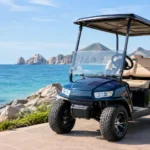
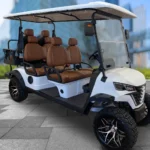
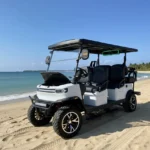
A cart that looks right in a resort parking area can become a daily problem once it has to carry luggage, climb grades, make repeated guest runs, or operate through a full weekend. A proper resort cart rental comparison starts with how the vehicle will actually be used, not just its daily rate or number of seats.
For homeowners and resort operators in Cabo San Lucas, San Jose del Cabo, La Paz, and other coastal destinations, the best rental is the one that arrives ready for the property, the passengers, and the permitted routes. That means checking capacity, vehicle condition, charging or fuel needs, insurance requirements, and the level of support available if a cart needs attention during the rental.
Resort Cart Rental Comparison: Start With the Job
Before comparing quotes, define the job the cart needs to perform. A four-passenger cart for a family moving between a villa, beach access point, and restaurant is not the same vehicle as a six-passenger shuttle moving guests and luggage across a large resort. Neither is a utility cart for housekeeping, grounds crews, or maintenance teams.
Passenger count is only one part of the equation. Consider how often the cart will run, whether riders will carry bags or coolers, the distance covered each day, and whether the property includes hills, uneven paths, tight service lanes, or soft sand nearby. A rental that is undersized may be cheaper on paper but can require extra trips, create frustration for guests, and increase wear on the vehicle.
For a small group, a two-seat or four-seat cart may be the sensible choice. For vacation rentals, resort guest transport, weddings, and group events, a six-seat configuration often provides better value because it reduces the number of vehicles and drivers required. If the cart will transport supplies, ask about cargo capacity, rear beds, enclosed utility options, and whether the load affects seating or performance.
Verify Where the Cart Can Legally Travel
One of the most overlooked points in any resort cart rental comparison is access. Many golf carts are intended for private property, golf courses, or designated communities. A street-legal low-speed vehicle may be equipped differently and may be allowed on certain public roads, subject to local rules, registration, insurance, speed limits, and route restrictions.
Do not assume a cart can travel from a resort to a nearby store, beach club, or marina simply because other carts are visible on the road. Ask the rental provider where the vehicle is authorized to operate and what documentation is included. If street use matters, confirm that the rental is a properly equipped low-speed vehicle rather than a standard property-use cart.
This is especially relevant in destination markets where resort properties connect to public streets, gated communities, and mixed-use areas. The right vehicle is not just comfortable. It must fit the roads and rules your guests or staff will encounter.
Compare the Vehicle, Not Just the Photo
Rental listings can make several carts appear identical. The details tell a different story. Ask the provider for the model year, seating configuration, power source, battery condition or fuel system status, tire condition, lights, mirrors, windshield, seat belts where applicable, and included accessories.
Electric carts are quiet and well suited to resort settings, gated communities, and short local trips. They can also reduce operating costs when charging access is simple and predictable. Their trade-off is range management. A busy itinerary, steep grades, heavy passenger loads, or weak charging practices can shorten usable run time.
Gas-powered carts can make sense for longer operating days, properties without convenient charging, or demanding commercial use. They are generally quick to refuel, but they are louder and require appropriate fuel handling. For a resort setting focused on guest comfort, electric is often preferred. For operations that cannot pause for charging, the answer may depend on the schedule.
Pay close attention to comfort features when guests will be riding for more than a few minutes. Quality seats, suspension, weather protection, headlights, USB charging, storage, and reliable brakes can make a noticeable difference. These are not cosmetic extras when the vehicle is part of the guest experience.
Inspect Delivery Condition and Maintenance Standards
A low daily rate does not help if the cart arrives with weak batteries, worn tires, damaged upholstery, or a charger that does not work properly. Ask how the rental fleet is inspected between customers and whether the provider performs a documented check before delivery.
A good handoff should include a walk-around of the vehicle, confirmation of existing cosmetic marks, an explanation of charging or refueling, and clear operating instructions. For larger rentals, request that each unit be checked for lights, brakes, steering, tires, and passenger seating before it enters service.
Commercial customers should also ask how quickly replacement equipment can be supplied if a unit goes down. For a resort, one unavailable shuttle cart can affect arrivals, housekeeping schedules, and guest satisfaction. A provider with parts access, trained service support, and a broad inventory is better positioned to respond than a business that only rents a small number of carts.
Read the Rental Price as a Complete Cost
Transparent pricing matters, but the quoted rate is only the starting point. Compare the full rental cost, including delivery and pickup, taxes, security deposit, cleaning fees, damage responsibility, charging equipment, fuel, insurance options, and any charge for late return or extended use.
Ask whether the rate is daily, weekly, monthly, or based on a minimum rental period. Weekly pricing can be a better fit for vacation homes and guest stays, while monthly or seasonal arrangements may be more practical for resort operations. If you need multiple vehicles, request fleet pricing and confirm whether every unit includes the same equipment and support level.
Be careful with comparisons that mix different vehicle classes. A basic four-seat cart and a street-legal six-seat low-speed vehicle should not be evaluated as if they offer the same access, safety equipment, or utility. The lower-priced option may be perfectly appropriate, but only if it can perform the same job.
Questions That Protect Your Rental
Before booking, get direct answers to the following questions:
- What exact vehicle model, passenger capacity, and power source will be delivered?
- Is the cart permitted only on private property, or is it configured for approved public-road use?
- What are the delivery, pickup, deposit, cancellation, and damage terms?
- Who provides service if the cart stops working during the rental?
- What charging equipment, fuel level, safety equipment, and operating instructions are included?
These questions prevent the most common surprises: receiving a different cart than expected, learning too late that street use is restricted, or being responsible for costs that were not clearly explained at booking.
Match Support to the Importance of the Rental
A single cart for a short family stay may only require clear pickup instructions and a dependable contact number. A resort, event venue, or property management company needs more. Look for scheduled delivery, fast paperwork, a consistent point of contact, maintenance support, and the ability to add or replace vehicles when occupancy or operational needs change.
Coyne Carts can be a practical resource for customers who need rental guidance backed by dealership-level vehicle knowledge, service support, and access to a wider range of personal and commercial mobility options. That matters when a short-term rental also helps you evaluate what your property may eventually need to own.
For repeat seasonal needs, compare renting against purchasing as well. Renting keeps the commitment flexible and can be ideal for peak periods, special events, or trial use. Buying may offer better long-term control for properties that run carts every day, especially when maintenance planning, branding, and fleet consistency are priorities.
The strongest choice is rarely the flashiest cart or the lowest initial quote. Choose the rental provider and vehicle that can clearly explain what you are getting, where you can use it, what it will cost, and who will answer the phone if your plans change.