

How to Shop Featured Vehicle Inventory Online
October 23, 2026
Shop featured vehicle inventory online with confidence. Compare seating, power, warranties, delivery, and service support before you choose a vehicle.


A guest shuttle that is unavailable at check-in, a utility cart that runs out of charge during grounds work, or a gas vehicle that needs frequent fuel runs can affect operations quickly. The fleet electrification future is not simply about replacing engines with batteries. For resorts, golf courses, rental operators, and service businesses, it is about selecting vehicles and charging plans that keep people and work moving reliably.
Electric fleets are already a practical option for many short-route transportation needs. The right approach depends on passenger demand, daily mileage, terrain, cargo, local regulations, and the support available after delivery. A fleet that looks good on a spec sheet can still underperform if it is not matched to the real workday.
Hospitality and recreation properties have always needed efficient ways to move guests, luggage, housekeeping teams, maintenance crews, and supplies. Electric golf carts, low-speed vehicles, and utility vehicles are well suited to many of these routes because they operate quietly, have fewer routine mechanical service needs than gas-powered alternatives, and can be charged where they are stored.
The cost conversation matters, but it should not be reduced to the purchase price. Electricity is often easier to budget than fuel, especially when vehicles return to a central location at night. Fewer oil changes, fewer engine-related components, and less time spent refueling can also reduce routine downtime. Actual savings vary based on electric rates, fleet usage, battery type, vehicle loading, and maintenance practices, so buyers should evaluate total operating cost rather than rely on a broad claim.
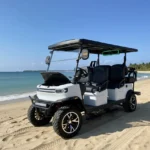
Guest experience is another factor. Quiet passenger vehicles fit naturally in resorts, gated communities, golf properties, and coastal destinations where comfort and atmosphere matter. An electric 4-seat or 6-seat vehicle can transport guests without bringing the noise and exhaust associated with a conventional gas utility vehicle. For staff, electric utility units can make repetitive daily routes easier to manage.
The fastest way to make an expensive fleet mistake is to choose vehicles before defining the work. A concierge shuttle, a luggage transporter, and a maintenance utility vehicle may all be electric, but they need very different configurations.
Passenger fleets should be planned around occupancy, route distance, and peak demand. A property may need 4-seat vehicles for general guest movement, 6-seat options for families and small groups, and accessible configurations where required. If the vehicle will operate on public roads, road-legal equipment and local registration requirements need to be confirmed before purchase.
Utility fleets need a different review. Consider payload, bed size, towing needs, hill climbing, tire selection, weather exposure, and how often the vehicle stops and starts. A light-duty cart can be an excellent fit for housekeeping or small deliveries, while landscaping, construction support, or heavy hauling may require a purpose-built utility vehicle or UTV. Electrification works best when the vehicle class matches the duty cycle.
Before requesting fleet pricing, document a normal busy day. Record route length, number of trips, riders or cargo per trip, operating hours, grades, and the time each vehicle is parked. This information gives a dealer the details needed to recommend battery capacity, seating, accessories, and charging equipment with fewer assumptions.
A charging plan should be designed as carefully as the vehicle lineup. For fleets that return to the same storage area overnight, scheduled charging is often straightforward. The challenge comes when vehicles run extended shifts, rotate between drivers, or travel across a large property with limited time to stop.
First, determine where vehicles will be parked when they are not in service. That location needs safe electrical access, enough spaces for the whole fleet, practical cable management, and protection from avoidable damage. In coastal markets such as Cabo San Lucas, salt air, heat, and seasonal weather should be part of the site plan. Covered parking and regular inspection can help protect both vehicles and charging equipment.
Next, identify whether overnight charging is enough. Many resort and golf fleets can recharge between shifts if the route and battery capacity are properly matched. Others may need daytime charging opportunities, spare vehicles, or a rotation plan for peak periods. Adding chargers without understanding demand can create bottlenecks, while buying more battery capacity than the operation needs can raise costs unnecessarily.
Electrical capacity also deserves an early review. A qualified electrical professional can assess whether the site panel, wiring, and charging locations support the planned fleet. This is especially valuable before expanding from a few vehicles to dozens. The goal is simple: every vehicle should have a dependable place to charge without disrupting the rest of the property.
Battery technology affects range consistency, charging behavior, weight, maintenance requirements, and purchase cost. Lead-acid batteries can be a workable choice for some operations, particularly where upfront cost is the main priority and staff can follow regular battery maintenance procedures. They require attention to water levels, cleaning, charging habits, and storage practices.
Lithium battery systems generally have a higher initial price, but they can offer lower maintenance, reduced weight, and more consistent performance through the discharge cycle. They are often worth considering for high-use commercial fleets, operations that need faster turnaround, and owners who want to simplify daily battery care. The right choice depends on use, budget, and the quality of local service support.
Ask clear questions before committing: What warranty applies to the battery and the vehicle? Who handles warranty administration? Is diagnostic support available locally or remotely? What are the recommended storage procedures during slower seasons? A fleet is only as dependable as the plan for keeping it in service.
Electric vehicles have fewer engine-related maintenance items, but they are not maintenance-free. Tires, brakes, steering components, suspension, lights, chargers, cables, body hardware, and batteries all need regular inspection. A fleet used by multiple drivers also benefits from simple operating rules, daily walkarounds, and a process for reporting damage before it becomes a larger repair.
For commercial buyers, parts availability is often more important than a small difference in purchase price. A vehicle that cannot be repaired quickly can leave a route uncovered or force staff to use equipment that was not designed for the task. Ask whether common replacement parts, tires, chargers, accessories, and service expertise are available for the models being considered.
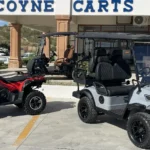
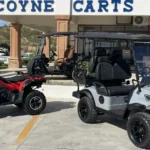
This is where working with an established dealership can reduce friction. Coyne Carts supports buyers with a broad vehicle selection, commercial fleet guidance, warranty assistance, and parts and service support for customers who need a long-term transportation partner rather than a one-time transaction.
Not every operation needs to convert everything at once. A phased rollout is often the practical choice when a business is replacing aging vehicles, testing routes, or building charging capacity. Start with vehicles that have predictable daily use and return to a central base, such as guest shuttles, housekeeping carts, security patrol vehicles, or maintenance runabouts.
Track the results for several months. Look at vehicle availability, charging time, daily distance, maintenance events, driver feedback, and guest response. The data will show whether the next purchase should add more of the same model, larger passenger capacity, utility units, or additional charging locations.
A mixed fleet can make sense during the transition. Electric vehicles may handle paved property routes and routine staff travel, while specialized gas or heavier-duty equipment remains in use for long distances, remote worksites, or demanding towing applications. The best fleet plan is not the one with the most electric vehicles. It is the one that gives every department dependable transportation at a cost the business can manage.
The future of fleet electrification will be decided less by headlines than by daily performance: vehicles that charge when scheduled, carry the right load, fit the route, and receive support when they need it. Begin with the work your team does every day, then choose the electric fleet built to handle it.