

New Golf Carts Cabo San Lucas | From $10,495
October 24, 2026
Shop new golf carts in Cabo San Lucas from $10,495 at Coyne Carts. Enjoy an 8-year battery warranty, 2-year bumper-to-bumper coverage, and local service support.


A golf cart can turn a long walk to the clubhouse, golf course, beach access, or neighbor’s home into a quick, comfortable trip. But a cart only improves community life when the property has the right roads, rules, charging plan, and vehicle selection. Without those details, a well-intended purchase can create parking problems, safety concerns, and unnecessary maintenance calls.
For many gated communities, the answer is yes. Golf carts are especially practical in resort, coastal, retirement, golf, and master-planned neighborhoods where residents make frequent short trips. They are compact, quiet, easy to operate, and far less costly to run than a full-size vehicle for on-property transportation.
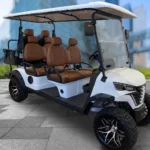
They also support the pace of community life. A four-seat cart can carry family members to the pool or restaurant. A six-seat model gives visiting guests a simple way to move around a larger property. Utility carts help maintenance teams carry tools, supplies, landscaping materials, or housekeeping equipment without using a pickup truck for every task.
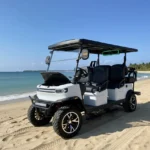
The best fit is a community with private streets, manageable speed limits, established parking areas, and enough space for carts to share the road responsibly. In Baja California Sur, where many residential developments are built around golf, resort amenities, or open-air living, electric carts can be a particularly convenient second vehicle for short daily trips.
That said, a golf cart is not automatically the right answer for every gated neighborhood. Steep terrain, poor road surfaces, limited storage, frequent rain exposure, or unclear HOA policies can change the calculation. The goal is to match the cart to how residents actually travel, not simply add vehicles because they look convenient.
The strongest argument for golf carts is practical convenience. Residents often use them for short trips that would otherwise mean starting a car, finding parking, and driving only a few minutes. On a large property, that time adds up quickly.
Electric carts are also quiet. That matters in communities where residents value calm streets, early morning walks, and low-noise transportation near homes. Compared with gas-powered utility vehicles, an electric model can reduce sound and eliminate fuel storage concerns at the residence.
Operating costs are another advantage. Electricity for routine charging is generally modest, and electric carts have fewer components requiring regular attention than gas models. Owners still need battery care, tires, brakes, suspension checks, and periodic service, but the day-to-day cost can be appealing for a vehicle used primarily inside the community.
For HOA boards and property managers, carts can improve internal operations as well. Security teams can patrol more efficiently than on foot. Maintenance crews can respond quickly to small repairs. Hospitality and resort properties can use passenger carts to move guests while keeping service staff visible and accessible.
Before selecting a cart, look at the property itself. A cart that performs well on smooth, level neighborhood lanes may not be suitable for steep grades, loose gravel, uneven pavement, or long distances between amenities.
A standard golf cart may be enough for short, flat routes. Communities with hills or heavier passenger loads should consider a higher-capacity electric system, stronger suspension, and appropriate braking performance. Two adults, four adults, luggage, groceries, and beach gear can produce very different demands on the same vehicle.
Range deserves an honest assessment too. Buyers should estimate a typical day of use rather than rely on the shortest route from home to the gate. Include multiple trips, passenger weight, hills, lights, and accessories. A cart used for a morning clubhouse visit may need little capacity. A cart used all day for security, rentals, or resort transportation needs a more deliberate battery and charging plan.
Lithium battery options can make sense for communities that want quicker charging, reduced maintenance, and consistent performance. Traditional lead-acid batteries may have a lower upfront price, but they require more routine attention and eventually need replacement. The right choice depends on usage frequency, budget, storage conditions, and the level of maintenance support available.
Golf carts are simple to drive, but they are still vehicles. A gated entrance does not remove the need for traffic rules, driver expectations, or safe operating practices.
A well-managed community should define where carts may operate, who may drive them, where they may park, and whether children can ride without adult supervision. Clearly posted speed limits are useful, particularly near pools, pedestrian crossings, dog-walking areas, and busy amenity centers. Communities should also decide whether carts can use sidewalks, trails, or only designated roadways.
Equipment matters. Depending on the property and intended use, useful features can include headlights, taillights, brake lights, turn signals, mirrors, seat belts, horn, windshield, and a rearview camera. These are not just upgrades for appearance. They help drivers see and be seen when carts are used around pedestrians, cyclists, service vehicles, and evening traffic.
Street-legal low-speed vehicles are a separate category from standard golf carts. If residents plan to travel beyond private community roads, local regulations, registration requirements, insurance, and equipment standards may apply. Buyers should confirm the rules for their specific municipality before assuming a cart can be driven on public streets. A capable dealer can help explain vehicle categories, but local law and community policy should always guide the final decision.
Most communities do not need one cart type for every resident or department. Selecting by use avoids overbuying and prevents frustration later.
A two-seat cart works well for couples, quick personal trips, and low-storage homes. A four-seat cart is often the most versatile household option because it can carry family members or guests without becoming difficult to park. Six-seat carts are better suited to larger families, shared vacation homes, property tours, and guest transportation.
Commercial buyers should think beyond passenger capacity. A maintenance crew may need a utility bed, towing capability, durable tires, weather protection, and storage compartments. A security team may prioritize lighting, visibility, range, and easy entry and exit. Resorts and rental operators may need several matching vehicles, simple charging procedures, and dependable parts support to keep downtime low.
Color, seating material, roofs, enclosures, wheels, and audio systems can personalize a cart, but the basics should come first: battery system, passenger capacity, terrain capability, service access, and safety equipment. The best-looking cart is not the best purchase if it cannot handle the way the community uses it.
A cart needs a dependable home base. Owners should have a dry, secure parking area near an appropriate electrical outlet or charging setup. Charging cables should not create a trip hazard in garages, walkways, or shared parking spaces. For fleet operators, a designated charging area with clear procedures prevents vehicles from being left uncharged when they are needed most.
Storage also protects the investment. Sun, salt air, heavy rain, and extended periods without use can affect batteries, upholstery, electrical connections, and finishes. This is especially relevant in coastal communities. Covers, enclosures, regular cleaning, and scheduled inspections can extend the life of the vehicle.
Service support should be part of the buying decision, not an afterthought. Ask what warranty coverage includes, how replacement parts are handled, who performs battery and electrical diagnostics, and how quickly a commercial fleet can be returned to service. A lower purchase price can lose its advantage if the vehicle has no realistic support path after delivery.
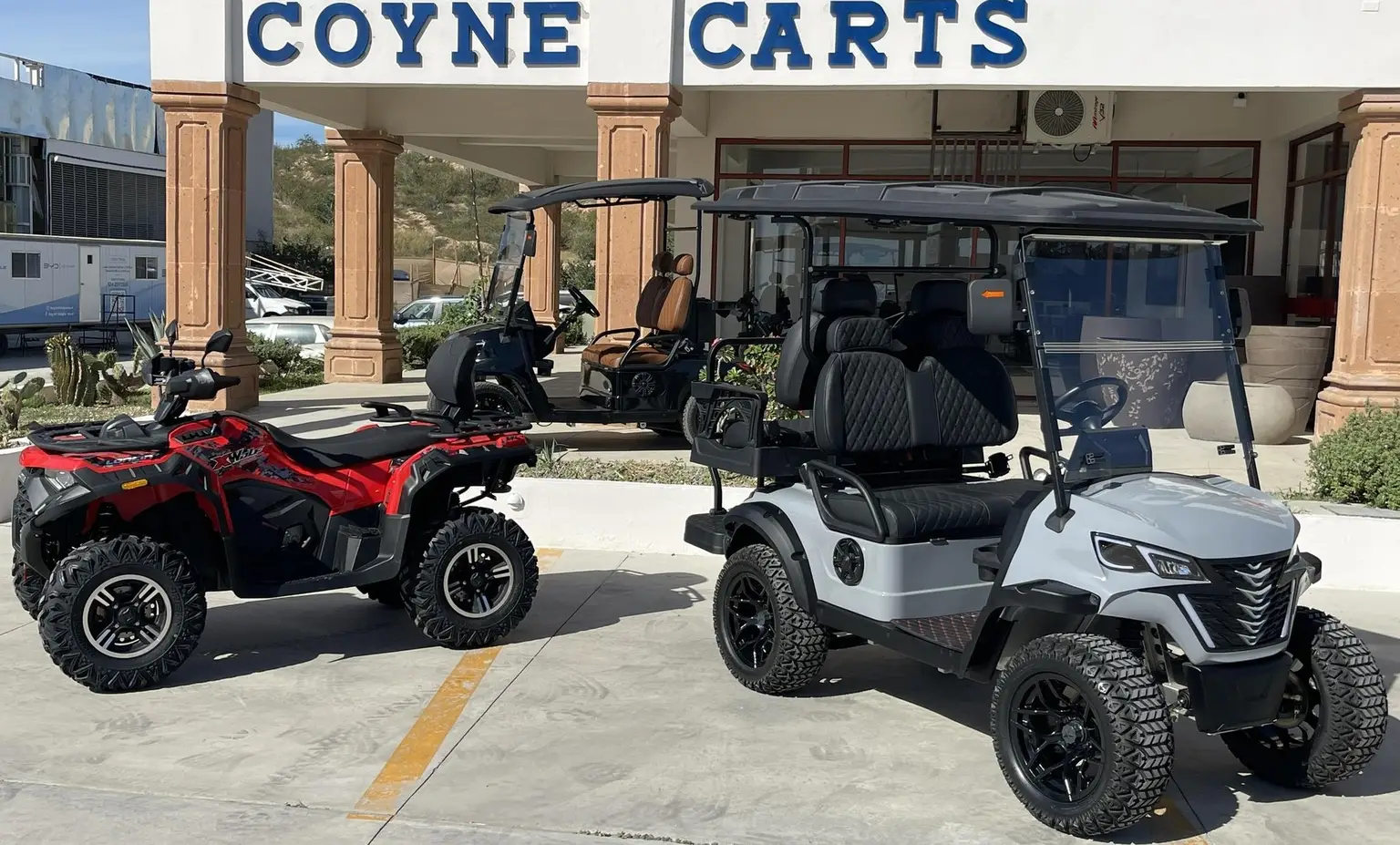
Coyne Carts helps buyers compare personal, street-legal, utility, and commercial cart options with service and warranty support in mind. For residents and property managers, that kind of guidance can be as valuable as the vehicle itself, particularly when ordering multiple units or arranging delivery in Cabo San Lucas, San Jose del Cabo, La Paz, Loreto, or Los Barriles.
Before allowing or expanding cart use, HOA boards should agree on a few operating standards. They should determine whether carts are permitted on every internal road, where overnight parking is allowed, and whether charging is permitted in shared areas. They should also establish a process for addressing unsafe driving, damaged property, repeated noise complaints, or abandoned vehicles.
Insurance requirements are worth reviewing, even on private property. Communities may want owners to carry liability coverage, while commercial operators should confirm coverage for employee and guest use. Consistent rules help avoid disputes between cart owners, pedestrians, and residents who prefer quieter or less congested streets.
The most successful cart communities treat carts as part of the transportation plan. They provide practical routes, clear expectations, and room for pedestrians to move safely. When the property, vehicle, and policies are aligned, a golf cart becomes more than a recreational extra. It becomes the easy vehicle residents reach for first.