

Carritos de Golf Nuevos y Usados: Buy Smart
October 22, 2026
Compare carritos de golf nuevos y usados with clear advice on condition, batteries, warranties, seating, delivery, and total ownership costs in Baja.


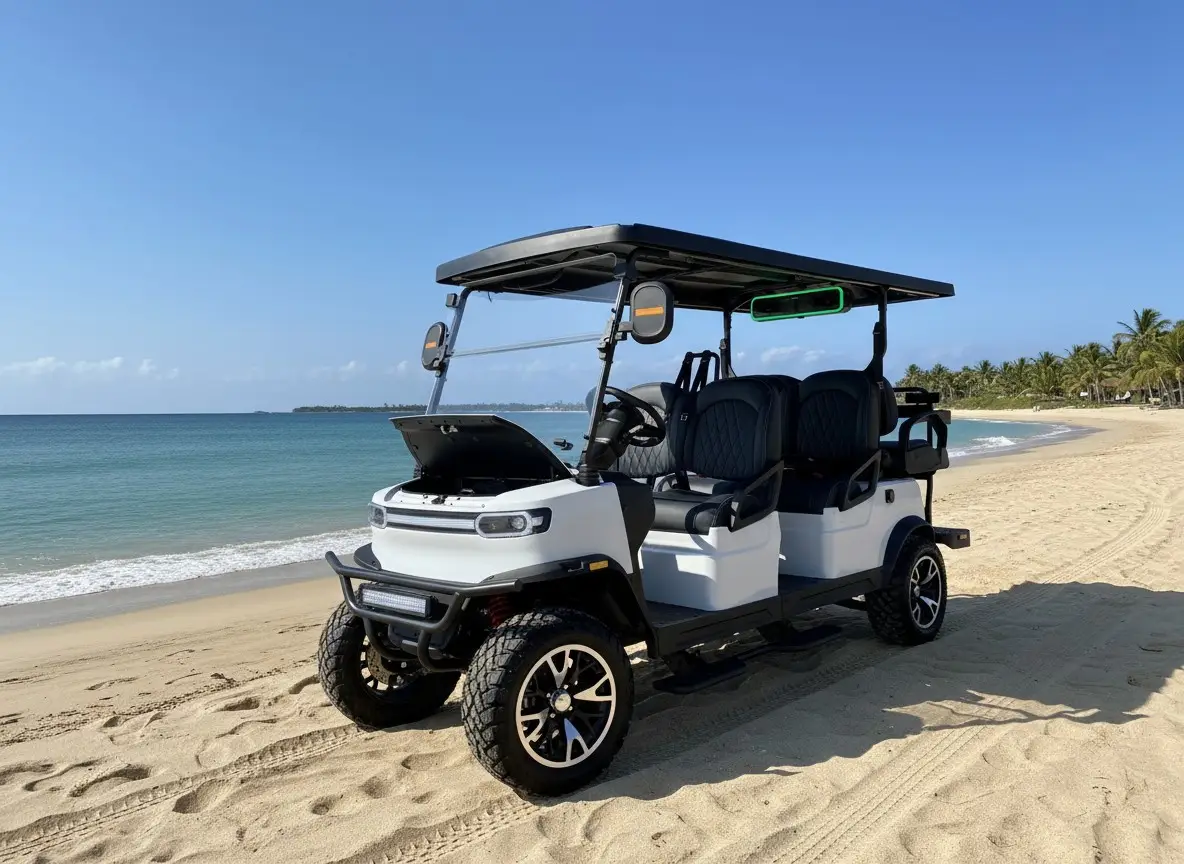
A photo can tell you whether a vehicle looks right. It cannot tell you whether it will carry six resort guests comfortably, handle steep neighborhood roads, fit inside your storage area, or be supported after delivery. That is why shopping featured vehicle inventory online should be more than scrolling through attractive listings. The right vehicle needs to match the way you will actually use it – and the dealership needs to be ready to stand behind it.
For homeowners, a golf cart or street-legal buggy may be the easiest way to move around a coastal community, golf course, or large property. For a resort, rental operator, or service team, the decision carries more weight. Passenger capacity, charging needs, cargo space, durability, and delivery timing can directly affect daily operations. A well-built online inventory helps you narrow the choices before you ever make a call.
The fastest way to make a smart purchase is to define the primary job first. A vehicle that is ideal for neighborhood trips may not be right for moving luggage, transporting maintenance supplies, or taking guests between rooms and amenities.
Start with passenger count. Two-seat vehicles work well for personal transportation, golf use, and simple property travel. Four-seat carts offer more flexibility for families, second-home owners, and guest transportation. Six-seat models are often a better fit for resorts, tour operations, and larger groups, provided the routes and turning areas can accommodate the longer vehicle.
Then consider what happens beyond paved paths. Utility vehicles, ATVs, and UTVs are built for different demands than a passenger cart. If your team needs to move tools, supplies, landscaping materials, or maintenance equipment, cargo capacity and work-focused features matter more than plush seating. If the vehicle will operate on sand, uneven terrain, or unpaved access roads, ground clearance, suspension, tires, and drivetrain deserve closer attention.
There is no single best choice. A quiet electric cart can be excellent for guest areas and residential use, while a gas-powered utility vehicle may be better suited to extended work routes or remote locations where charging is limited. The right answer depends on your terrain, daily mileage, passengers, and operating environment.
Featured listings should make comparison easier, not leave you guessing. When reviewing a vehicle online, look past the lead image and focus on the information that affects ownership.
A useful listing identifies the vehicle type, model year, seating configuration, power source, condition, and key equipment. For electric vehicles, ask about battery type, charging requirements, expected range, and whether the charger is included. For gas models, confirm fuel type, engine details, and expected maintenance needs. These practical points help prevent a vehicle from looking like a fit online but becoming a poor fit once it arrives.
Pay attention to equipment that changes daily convenience. Rear-facing seats, lift kits, upgraded wheels and tires, enclosures, windshields, lighting packages, storage options, and utility beds may be standard on one unit and optional on another. A street-legal configuration also has specific requirements that vary by location, so it should never be assumed based on appearance alone.
For commercial buyers, request details that may not appear in a standard retail listing. Ask about fleet consistency, available quantities, replacement parts, maintenance support, and whether similar units can be sourced later. Buying several vehicles with matching controls, batteries, and service needs can make training and upkeep far simpler.
New vehicles typically offer the latest equipment, full manufacturer coverage, and the greatest predictability for long-term ownership. They are often the right call when appearance, warranty protection, and dependable fleet performance are top priorities.
Used vehicles can offer strong value, especially when the condition, service history, and battery health are clearly documented. A lower purchase price is meaningful only if the vehicle has been inspected properly and can be supported with parts and service. Ask what work has been completed, what wear items may need attention, and whether the vehicle includes warranty coverage.
Refurbished units sit between those options. They can be a smart solution when buyers want updated appearance or selected new components without the cost of a brand-new vehicle. The key question is what “refurbished” includes. Cosmetic work, batteries, tires, electrical components, upholstery, and mechanical inspection are not interchangeable. Clear answers protect your budget.
A low online price can be appealing, but the delivered and supported cost is what matters. Before moving forward, confirm whether the quoted price includes the equipment shown, required accessories, paperwork, delivery arrangements, and applicable warranty coverage.
This is especially important for buyers outside the immediate dealership area. A vehicle may need crating, transport coordination, cross-border documentation, or site delivery planning. These details are manageable when discussed up front. They become frustrating when they appear after the purchase decision has already been made.
Battery ownership deserves the same attention. Lead-acid batteries generally cost less initially but require regular watering, cleaning, and charging discipline. Lithium batteries usually carry a higher upfront cost, but they can offer lower maintenance, lighter weight, and useful performance benefits for many buyers. Neither is automatically better for every application. A lightly used personal cart and a high-turnover resort fleet may have very different needs.
Warranty coverage should be plain and specific. Ask what is covered, how long it is covered, whether labor is included, and how warranty service is handled when the vehicle is located away from the selling dealership. Strong warranty support matters most when you need help, not when you are reading the listing.
An online listing is the starting point for a direct conversation. Before placing a deposit or arranging delivery, confirm the vehicle is available and ask for current photos or video if needed. Inventory moves quickly, particularly for popular passenger configurations and commercial-ready units.
Ask how the vehicle will be prepared before delivery. A professional dealership should be able to explain its inspection process, setup, charging or fueling status, documentation, and any accessories being installed. If you are purchasing for a business, ask about delivery timing around your operating schedule and whether staff can provide basic orientation on use and care.
It also helps to be honest about your operating conditions. Share the route length, hills, surface type, passenger load, storage dimensions, and whether the vehicle will be exposed to salt air or seasonal downtime. A knowledgeable team can recommend a more suitable configuration when it understands the real job. That guidance can save you from buying too little vehicle – or paying for capability you will never use.
A dealership with a broad selection can solve problems that a single-unit listing cannot. If one vehicle is not the right color, seating layout, power source, or price point, there may be another option available without forcing you to restart your search somewhere else.
That matters for personal buyers who want a vehicle that fits their property and preferences. It matters even more for businesses that need multiple units, quick replacement options, or equipment that can be standardized across a fleet. Access to more than one category – passenger carts, street-legal buggies, utility vehicles, ATVs, and UTVs – lets buyers compare solutions based on function rather than settling for what happens to be on a local lot.
Coyne Carts supports buyers who need that range, from personal carts in Los Cabos to commercial transportation solutions that require coordinated delivery, parts, service, and warranty support. The goal is straightforward: provide clear vehicle information, honest pricing, and responsive help before and after the sale.
The best featured inventory does not rely on polished photos alone. It gives you enough information to compare vehicles intelligently, understand what is included, and start a productive conversation with a real person.
Take the extra few minutes to match the vehicle to its daily job, confirm coverage and delivery details, and ask how service will work after purchase. A good vehicle should feel like a practical solution from day one – not a problem waiting for the first busy weekend.