

How to Shop Featured Vehicle Inventory Online
October 23, 2026
Shop featured vehicle inventory online with confidence. Compare seating, power, warranties, delivery, and service support before you choose a vehicle.


A cart that looks perfect in a photo can become a problem quickly if it has too few seats, cannot handle the route, or is not approved for where you plan to drive. Knowing how to rent golf carts starts with the real-world details: who will ride, where the vehicle will travel, how long you need it, and what the rental price actually includes.
For a family vacation, a resort property, a wedding, or a temporary service fleet, the right rental should make transportation easier from the moment it arrives. A few focused questions before you reserve can prevent wasted time, surprise charges, and a vehicle that does not fit the job.
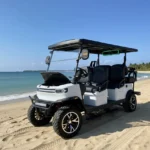
Start with passenger count, but do not stop there. A two-seat cart may work for a couple traveling short distances, while a four-seat model is often a better fit for homeowners, families, and guests moving through a community. Six-seat carts are popular for larger groups, resorts, and properties where several passengers need to move together.
Remember that advertised seating is not always the same as practical capacity. If adults will be carrying beach bags, groceries, golf clubs, or work supplies, a fully occupied cart can feel cramped. Ask whether the vehicle has storage, a rear cargo area, or a utility bed. For a commercial operation, a utility vehicle may be more useful than a passenger cart, even if both appear similar at first glance.
Next, consider the route. Flat, paved streets place different demands on a vehicle than sandy paths, steep roads, or large resort grounds. Ask the rental provider whether the cart is designed for your terrain and whether it is approved for the roads or private areas you intend to use. Standard golf carts, street-legal low-speed vehicles, and off-road utility units each have different capabilities and operating restrictions.
In destinations such as Cabo San Lucas, San Jose del Cabo, La Paz, or Los Barriles, this step matters. Resort zones, private developments, public streets, and beach-access areas may follow different rules. Do not assume that a cart can be driven anywhere just because it is rented locally.
The phrase “golf cart” covers several types of vehicles. Getting clear on the category protects you from booking the wrong unit.
A conventional golf cart is generally intended for golf courses, private property, and approved community use. It may be ideal for moving around a resort or residential development, but it may not be legal or equipped for public-road travel.
A street-legal cart or low-speed vehicle is built for approved public streets where local rules allow it. Depending on the area, these vehicles may need headlights, taillights, turn signals, mirrors, seat belts, a windshield, and registration or insurance documentation. Ask the provider exactly where the vehicle may be driven, not simply whether it is “street legal.” Local regulations and road speed limits still apply.
Utility carts and side-by-side vehicles are more appropriate when the priority is hauling supplies, maintenance work, security patrols, landscaping, or moving equipment across a property. They are not automatically a replacement for a passenger cart. The best choice depends on the work, load capacity, terrain, and required seating.
A low daily rate is only helpful if it reflects the cost you will actually pay. Request a written quote that separates the rental rate from delivery, pickup, taxes, refundable deposits, insurance options, charging equipment, and any cleaning or damage fees.
Also ask whether the quoted rate changes by season, rental length, or vehicle type. Daily rentals can be practical for a short stay, but weekly or monthly rates may offer better value for second-home owners, resort guests, and businesses with ongoing transportation needs. For a fleet, ask about volume pricing and whether replacement vehicles are available if one unit requires service.
Before confirming, get answers to these four practical questions:
Transparent answers are a good sign. A professional rental provider should be comfortable explaining the paperwork, the condition of the vehicle, and the process for getting help if something goes wrong.
Do not rush through the handoff. A five-minute inspection can save an uncomfortable dispute later. Walk around the vehicle with the delivery representative and take dated photos or video of the body panels, roof, seats, windshield, wheels, and tires. Make sure any scratches, cracks, upholstery damage, or missing accessories are noted before you take possession.
Test the basics while someone is there to answer questions. Confirm that the brakes feel responsive, steering operates normally, lights work if equipped, and seat belts latch properly. Check the horn, mirrors, turn signals, reverse function, and parking brake when those features are included. If you are renting an electric cart, ask the driver to show you the correct charging procedure and the expected range under normal use.
Battery range depends on passenger weight, hills, temperature, terrain, and how the cart is driven. A full charge may be enough for light neighborhood use but not for continuous all-day resort transportation. Ask where and when to charge the vehicle, whether an extension cord is permitted, and whether the rental includes a compatible charger. Never use damaged cords or improvised electrical connections.
Every rental agreement should identify who may drive. Rental companies commonly set a minimum driver age and may require a valid driver’s license, signed waiver, and proof of insurance. If multiple people will drive, make sure each authorized driver is listed before the cart leaves the lot or is delivered.
Passengers should remain seated with arms and legs inside the vehicle. That sounds basic, but injuries often happen when people stand on rear platforms, ride on lap space, or jump off before the cart has stopped. Do not exceed the stated passenger capacity, and keep children properly seated according to local requirements.
Avoid driving after drinking, using a phone while operating the cart, or taking a vehicle onto roads it is not authorized to use. Golf carts are open vehicles with a higher center of gravity than many people expect. Slow down on turns, wet pavement, loose surfaces, and slopes. If your route includes public roads, obey posted signs and local traffic laws just as you would in any other vehicle.
Delivery can be one of the biggest conveniences of renting, especially when you are arriving at a hotel, vacation home, resort, marina, or event venue. Confirm the exact delivery address, contact person, arrival window, and whether the site has adequate access for a delivery truck. Gated communities may require advance approval, while hotels and resorts may have designated loading areas.
For events and commercial rentals, timing deserves extra attention. Arrange delivery early enough to inspect the vehicle, charge it if needed, and train the people who will operate it. If you need several units, confirm whether they will arrive together and whether the provider can support the fleet throughout the rental period.
At pickup, return the vehicle in the condition required by the agreement. Remove personal items, dispose of trash, and make sure the cart is accessible at the scheduled time. If you notice a new issue during the rental, report it promptly instead of waiting until pickup.
A casual rental can be enough for a short, simple trip. But a dealer-backed provider is often the better choice when you need a newer vehicle, multiple carts, delivery coordination, street-legal options, or responsive service. That is especially true for resorts, property managers, wedding planners, and businesses that cannot afford downtime.
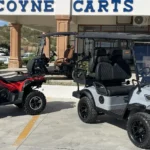
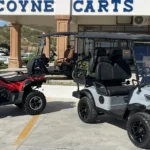
Coyne Carts helps customers match rental vehicles to passenger needs, property conditions, and intended use, with the straightforward support expected from an established dealership. The goal is not to put every customer in the same cart. It is to provide the right vehicle, clear terms, and a dependable plan if service is needed.
A good rental should feel easy once the keys are in your hand. Reserve early during busy travel periods, ask direct questions before signing, and choose a cart that fits your route rather than just your group photo.