

How to Shop Featured Vehicle Inventory Online
October 23, 2026
Shop featured vehicle inventory online with confidence. Compare seating, power, warranties, delivery, and service support before you choose a vehicle.


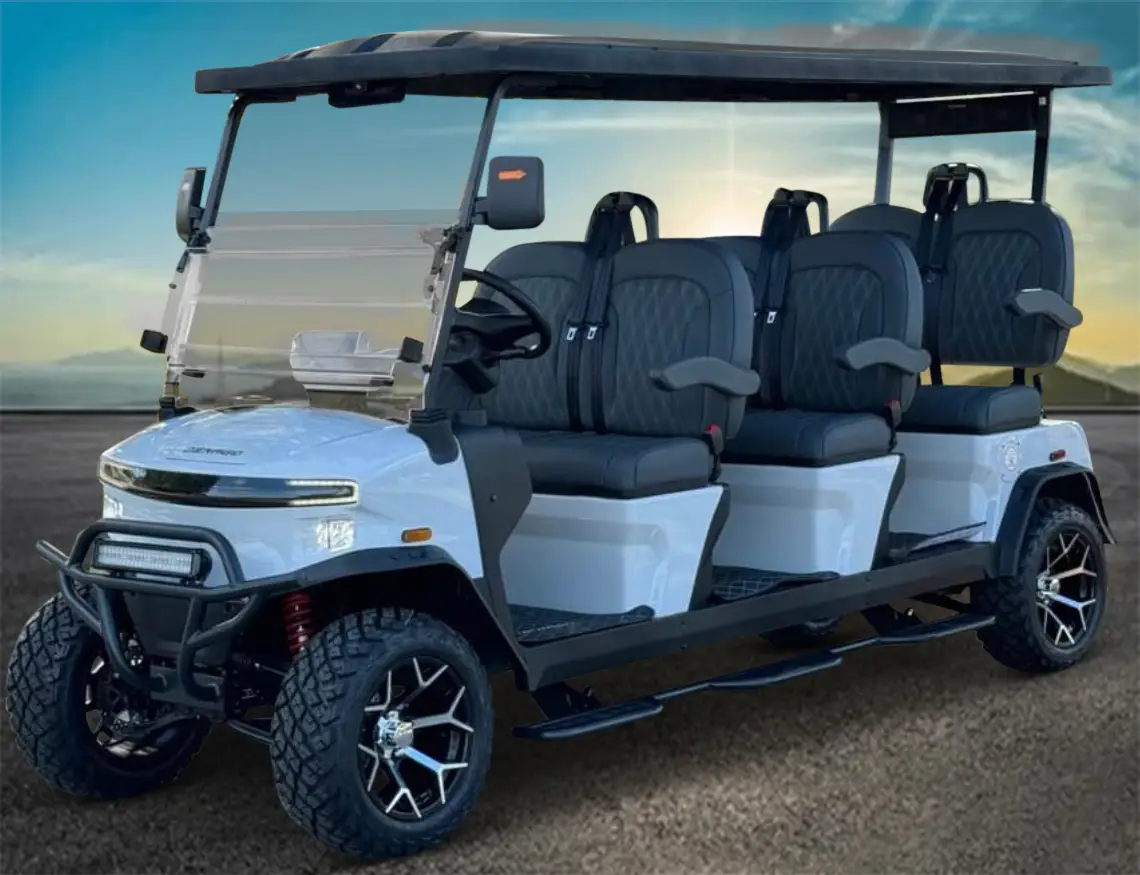
A cart that is hard to step into, rough over pavement, or confusing to operate will not get used very often. The best golf carts for seniors make local transportation easier, whether that means getting around a gated community, visiting neighbors, reaching the golf course, or handling short trips near a vacation home. The right choice is less about flashy accessories and more about comfort, stability, dependable range, and support when service is needed.
For many buyers, a four-seat electric cart with a smooth ride is the practical starting point. But seating capacity, local road rules, terrain, and who will use the vehicle all matter. A cart that works perfectly for two people in a flat coastal community may not be the right fit for a family that regularly carries guests, beach gear, or groceries.
The first test is simple: can the driver and passenger get in and out without strain? Look for a cart with a wide opening, solid handholds, supportive seats, and a stable floor area. A higher seat can make standing up easier, but the step into the cart should not be so high that it becomes inconvenient. Fold-down armrests can also be useful for riders who want more support when entering or exiting.
Suspension deserves more attention than it usually gets. Many basic golf carts are designed primarily for smooth golf paths. In a residential community, resort property, or neighborhood with uneven pavement, a cart with upgraded suspension and quality tires can reduce jarring and make the ride noticeably more comfortable. This is especially valuable for seniors with back, hip, or joint concerns.
A tight turning radius is another everyday advantage. It makes parking at a clubhouse, maneuvering around a garage, and navigating narrow community streets less stressful. Test drive the cart if possible. The steering should feel predictable, the brakes should engage smoothly, and the vehicle should not require unnecessary effort to control.
A two-seat cart is often the best fit for a couple that mainly uses it for golf, neighborhood rides, and quick errands. It is easier to park, generally costs less, and may be more practical where storage space is limited. If the rear cargo area is useful, a two-seat model can carry a few bags or personal items without the larger footprint of a passenger cart.
A four-seat cart is the most versatile option for many retirement communities and second-home owners. It provides room for visiting family, friends, or grandchildren while remaining manageable for daily driving. Forward-facing rear seats are usually more comfortable and conversational than rear-facing bench seats, particularly for longer rides.
Six-seat carts make sense when transporting a larger family or operating on a resort or hospitality property. The trade-off is length. A larger vehicle needs more garage space, can be harder to turn in tight areas, and may feel less convenient when only one or two people are riding. Buy the capacity you will regularly use, not just the maximum capacity you might need once or twice a year.
For most senior buyers, electric carts are quieter, simpler to operate, and more pleasant around homes, golf courses, and resorts. They have no engine noise, no fuel stops, and fewer routine mechanical needs than gas-powered models. Charging overnight is convenient when the cart has a dependable home charging location.
Battery type affects ownership experience. Traditional lead-acid batteries typically have a lower upfront cost, but they need periodic water checks, cleaning, and proper maintenance. Lithium batteries cost more initially but are lighter, charge efficiently, require far less routine care, and often provide stronger long-term value for frequent users.
Range should be based on real driving habits, not best-case claims. Consider the distance from home to the clubhouse, beach access, stores, and friends’ homes, then allow room for detours, passengers, hills, and air temperature. A cart used for brief neighborhood trips has different needs than one used daily across a large master-planned community.
Gas carts still have a place for properties with long distances, limited charging access, or demanding utility use. They can refuel quickly and are familiar to some owners. However, the added noise, exhaust, fuel storage, and maintenance make them less appealing for buyers who want quiet, low-effort personal transportation.
Comfort matters, but safety equipment should drive the final decision. A dependable braking system, bright headlights, taillights, brake lights, turn signals, mirrors, and a horn are sensible features even when the cart stays within a private community. If the cart will be used in early morning, after sunset, or near vehicle traffic, good lighting is not optional.
Seat belts are particularly important for a street-legal cart or any cart traveling on uneven roads. Windshields help protect occupants from wind, dust, and light rain, while a sturdy roof provides needed shade in sunny climates such as Los Cabos and Baja California Sur. For some drivers, an enclosed cabin or weather curtains can turn a seasonal cart into a vehicle they use comfortably for more months of the year.
Do not assume every golf cart is legal on public roads. Street-legal low-speed vehicles may require specific equipment, registration, insurance, and use on roads with posted speed limits that meet local rules. Requirements vary by municipality and community. Before buying, confirm where the vehicle will be driven and whether a standard golf cart or a properly equipped low-speed vehicle is the better choice.
Service access is also a purchasing decision, not an afterthought. Carts are dependable machines, but tires wear, batteries age, and electrical components occasionally need attention. Buyers in Mexico, the United States, Canada, and resort markets should work with a dealership that can clearly explain service options, parts availability, and warranty support in the area where the cart will live.
At Coyne Carts, buyers can compare personal, street-legal, and multi-passenger options with practical guidance on the vehicle’s intended use. That conversation should include the number of riders, storage space, charging setup, delivery needs, and whether local street use is part of the plan.
Accessories should solve a real problem, not simply add cost. A rearview camera can help drivers who find backing up difficult. A lockable storage compartment keeps phones, medications, keys, and small purchases secure. Cup holders, phone mounts, and USB charging ports are convenient, while a rear cargo box can be more useful than extra seats for homeowners running local errands.
For sun-heavy locations, choose a durable roof and consider a windshield with practical ventilation. For rainy or cooler periods, weather enclosures are worth considering, but make sure they are easy to open and close. A complicated enclosure that blocks visibility or requires too much effort may go unused.
Avoid overbuilding the cart. Tall lift kits, oversized off-road tires, and excessive modifications can make entry more difficult and may reduce the calm, stable handling many seniors prefer. A stock-height or mildly upgraded cart with comfortable suspension is usually the smarter daily driver.
Before selecting a cart, ask the dealer how it rides with passengers, what battery maintenance is required, how long charging takes, and what service is available after delivery. Ask for a clear explanation of warranty terms and which components are covered. If road use is planned, verify that the cart has the proper equipment and that you understand local registration and insurance requirements.
It is also wise to measure the garage, storage bay, or parking area before choosing a four-seat or six-seat model. Confirm that there is a safe power source for charging and enough room to open doors or access the cart comfortably. These small checks prevent a good purchase from becoming an awkward fit at home.
The right cart should feel easy from the first drive: easy to enter, easy to steer, easy to charge, and easy to service. Choose the model that supports the way you actually move through your community, and it can become one of the most useful vehicles you own.