
How to Shop Featured Vehicle Inventory Online
October 23, 2026
Shop featured vehicle inventory online with confidence. Compare seating, power, warranties, delivery, and service support before you choose a vehicle.


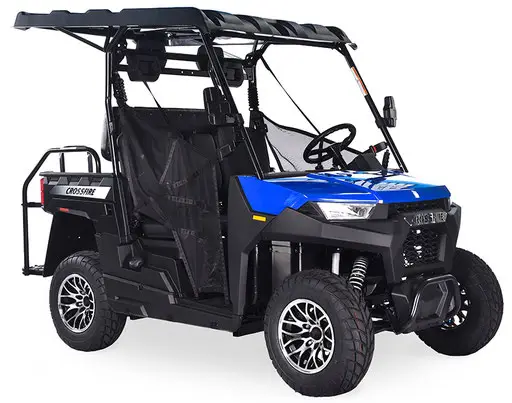
A maintenance cart earns its keep between the shop and the job site. The best utility carts for property maintenance carry tools, parts, landscaping materials, and people without turning routine work into multiple trips. For a resort, golf community, estate, marina, or rental property, the right vehicle also helps staff respond faster and keep guest areas looking organized.
There is no single cart that fits every property. A compact electric utility cart may be the smart answer for paved resort paths, while a gas-powered UTV with four-wheel drive may be necessary for steep, sandy, or rough service roads. The better buying decision starts with the work, not the paint color or the highest listed payload.
For property owners and maintenance managers in Baja California Sur, working with a local dealer can make that decision easier. Coyne Carts & Powersports helps customers evaluate vehicles based on terrain, workload, passenger requirements, and day-to-day operating needs—not simply the vehicle that looks best on the lot.
What Makes a Utility Cart Right for Maintenance Work Property maintenance puts different demands on a vehicle than casual transportation. Your team may haul pressure washers in the morning, landscaping supplies at noon, and repair materials before the end of the day. That calls for a cart with enough cargo capacity, stable handling, easy entry and exit, and dependable service support.
Start by looking at the combined weight your crew actually carries. Include the operator, passenger, tools, fuel cans, bags of mulch, replacement parts, and accessories. A cart that handles a light toolbox comfortably can become unsafe or inefficient when loaded with irrigation equipment or bulk supplies. Payload ratings matter, but so does how that weight is positioned in the bed.
Ground conditions are equally important. Smooth concrete paths, cart paths, hard-packed roads, loose sand, and uneven construction areas require different tires, suspension, and drive systems. Buying more vehicle than needed can increase the purchase price and operating cost. Buying too little can mean repeated repairs, slow crews, and a cart that sits unused when conditions get difficult.
This is where a knowledgeable dealer can add value. Coyne Carts & Powersports can help property owners compare vehicle configurations based on the actual conditions the cart will encounter, including paved resort areas, landscaped grounds, hills, dirt roads, and sandy terrain.
The Best Utility Cart Types for Property Maintenance Electric utility carts for resorts and planned communities Electric utility carts are often the best fit for properties with short daily routes, maintained paths, and noise-sensitive guest areas. They are quiet, have no tailpipe emissions at the point of use, and are easy for staff to operate. For hotels, golf communities, and residential properties, that quieter operation matters during early-morning landscaping or late-day service calls.
An electric model works best when charging is planned as part of the operation. The cart should have enough real-world range for its shift, plus a convenient place to charge between uses or overnight. Battery type affects the ownership experience. Traditional lead-acid batteries generally cost less upfront but require regular watering and cleaning. Lithium batteries typically cost more initially, yet offer lower maintenance, consistent performance, and faster charging in many applications.
Choose a utility bed with sides that suit the work. Fixed sides help contain loose materials. Fold-down sides simplify loading long tools, bags, and boxed supplies. A dump bed can save time for landscaping crews that regularly move soil, debris, or gravel, but it may not be necessary for a maintenance team focused on light repairs.
For properties considering an electric fleet, Coyne Carts & Powersports can help compare available configurations and determine whether the vehicle’s battery capacity, cargo setup, and accessories match the property’s daily workload.
Gas utility carts for longer routes and demanding terrain Gas-powered utility carts remain a practical choice where crews cover long distances, work away from charging access, or operate on grades and uneven surfaces. They can be especially useful for large ranch-style properties, remote communities, and coastal sites where sand and rough roads are part of the daily route.
The trade-off is higher routine maintenance, fuel handling, and more engine noise. Still, a gas cart can reduce downtime when a team cannot afford to pause for charging. Look for a drivetrain suited to the terrain and a suspension that remains composed under load. On steep or loose ground, braking capability and tire selection deserve as much attention as engine power.
For many commercial users, the best use case is simple: electric carts handle guest-facing and paved areas, while gas utility vehicles cover heavy-duty routes. A mixed fleet can cost less than forcing one vehicle type to do every job poorly.
UTVs for heavy loads, rough ground, and all-day work A UTV is not always necessary, but it is often the right tool when maintenance includes construction support, heavy landscaping, beach access, or remote infrastructure. These vehicles generally offer higher ground clearance, more capable suspension, stronger towing capacity, and available four-wheel drive.
The downside is size. A UTV needs more storage space, may not fit narrow pathways, and can be more vehicle than a resort maintenance crew needs for daily light work. Before moving up to a UTV, measure gates, service corridors, parking areas, and trailer space. The best machine on paper is not helpful if it cannot reach the work area.
When a property operates multiple types of terrain, Coyne Carts & Powersports can help determine whether a utility cart, UTV, or combination of vehicles makes the most sense for the job.
Personnel and utility combinations for efficient crews Some properties need people-moving capacity as much as cargo space. A utility cart with a second row can carry a supervisor and a small crew to a job, then haul materials in the rear bed. This setup can reduce the number of vehicles on the property and simplify dispatching.
There is a trade-off. More seating usually means less dedicated cargo area, and a fully loaded passenger cart is not the same as a work vehicle built for heavy materials. If crews regularly travel together but use substantial tools, consider matching a personnel cart with a separate cargo unit rather than compromising both roles.
Features Worth Paying For The right accessories protect the vehicle and make the crew more productive. They should be selected around actual tasks, not added simply because they look useful in a brochure. For property maintenance, the most valuable upgrades often include an enclosed cab or windshield for weather protection, work lights for dawn and evening shifts, a hitch receiver, lockable storage, and a bed liner.
A roof and windshield help staff stay productive in sun, wind, and light rain. For coastal environments, corrosion resistance should be part of the conversation. Salt air can shorten the life of exposed hardware, electrical connections, and unprotected metal components. Regular washing helps, but choosing equipment designed for commercial use and maintaining it on schedule is the better long-term approach.
Do not overlook tires. Turf tires reduce damage to maintained grounds and are a strong choice for golf, resort, and residential properties. All-terrain tires offer better traction on dirt, sand, and uneven service roads, though they can be less gentle on manicured grass. The correct tire is a practical decision that protects both the cart and the property.
How to Compare Capacity, Range, and Total Cost Price is only one part of the decision. A lower-cost cart that needs frequent repairs, cannot carry the required load, or spends too long out of service may cost more over time than a properly specified commercial unit.
Ask for clear information on payload, towing capacity, range or fuel consumption, charging requirements, warranty coverage, and recommended maintenance intervals. If you are comparing electric carts, ask how range changes when the bed is loaded, the route includes hills, or air conditioning and accessories are in use. Published range figures are useful, but your daily route is what matters.
For fleet buyers, standardization is valuable. Keeping similar vehicles, battery systems, tires, and service parts reduces training time and makes maintenance easier. It can also simplify purchasing when you need to add units later. A dealership with inventory depth and parts support can make a meaningful difference when a cart needs attention during a busy season.
Why Local Dealer Support Matters For a commercial property, buying the vehicle is only the beginning. Maintenance, parts availability, troubleshooting, and service support can have a direct effect on how long the vehicle stays productive.
That is particularly important for properties in Baja California Sur, where resort operations, vacation rentals, residential developments, golf communities, and other commercial properties may rely on utility vehicles every day.
Coyne Carts & Powersports serves buyers in Cabo San Lucas, San José del Cabo, and surrounding Baja California Sur communities. The dealership works with both commercial and personal customers and can help buyers evaluate vehicle configurations based on how and where the vehicle will actually be used.
For fleet operators, local support can also simplify the ownership process. Rather than choosing a vehicle solely on its initial price, consider the availability of parts, routine service, technical assistance, and replacement vehicles when a unit is unavailable.
Questions to Ask Before You Buy Before committing, walk the property with the cart’s intended use in mind. How far will it travel in a shift? What is the heaviest normal load? Will it cross sand, hills, curbs, or wet grass? Does the crew need two seats or four? Where will it be stored and charged or fueled?
Also consider who will operate it. Simple controls, good visibility, stable step-in height, and dependable brakes reduce training concerns for staff who use the vehicle throughout the day. If multiple people share the cart, clear operating procedures and scheduled inspections are part of protecting the investment.
If you are purchasing multiple vehicles, ask whether the dealer can help standardize the fleet. Using compatible vehicles, batteries, tires, accessories, and service parts can make training and maintenance considerably easier over the life of the fleet.
The Right Utility Cart Starts With the Job The best utility cart is the one that lets your maintenance team finish more work with fewer trips, less downtime, and less wear on the property.
Start with the route, the load, the terrain, and the people who will use the vehicle. Then compare electric carts, gas utility vehicles, UTVs, and personnel configurations based on those requirements.
For property owners and maintenance teams in Baja California Sur, Coyne Carts & Powersports can be a resource throughout that process—from choosing the appropriate vehicle configuration to getting the support needed after the sale.
The goal is not simply to buy a cart. It is to put the right work vehicle into service so your team can spend less time transporting equipment and more time getting the job done.