

How to Shop Featured Vehicle Inventory Online
October 23, 2026
Shop featured vehicle inventory online with confidence. Compare seating, power, warranties, delivery, and service support before you choose a vehicle.


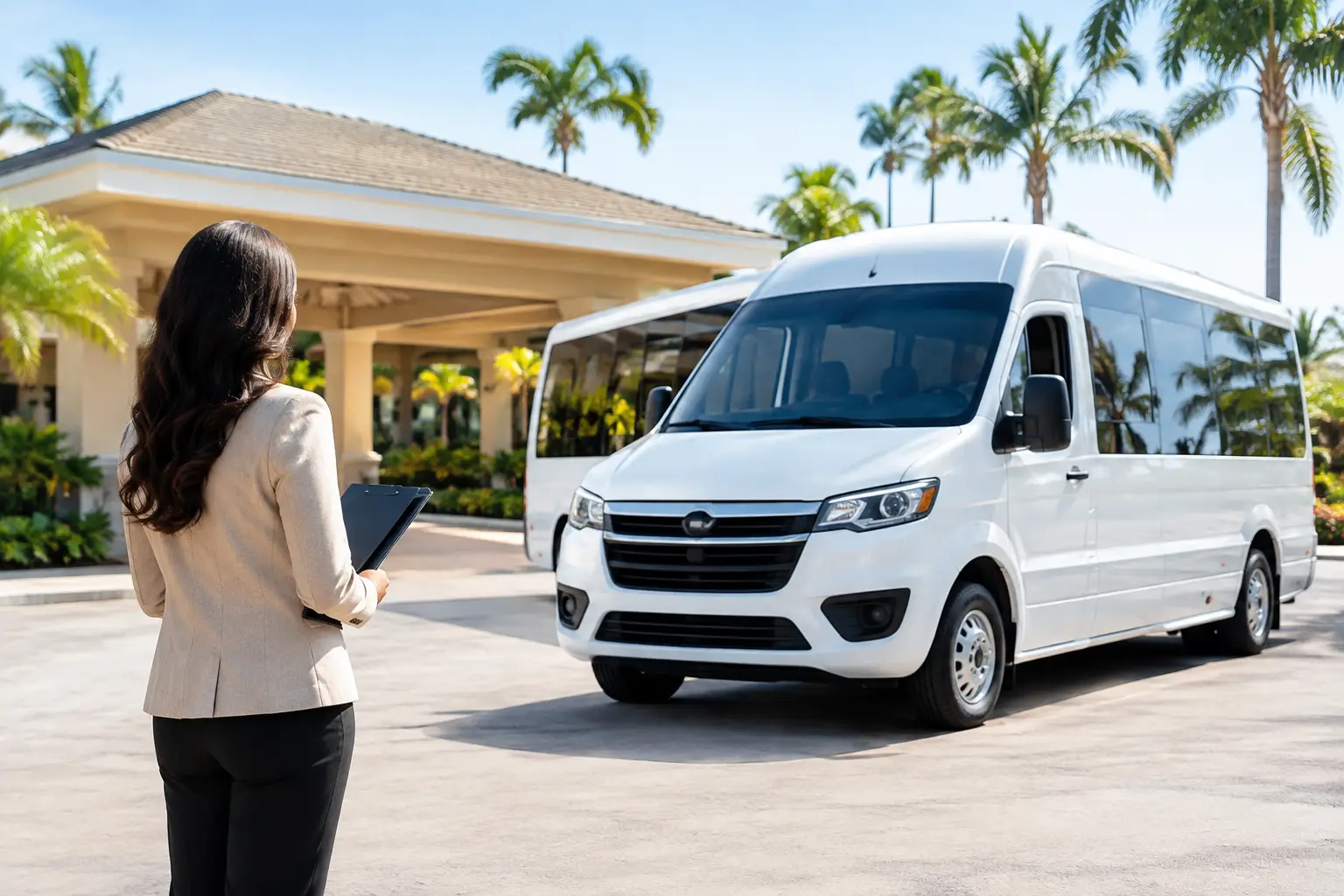
A shuttle that looks impressive at the front entrance can become a daily problem if it cannot handle luggage, steep paths, heat, or a full schedule. Knowing how to pick a resort shuttle starts with the work it must do, not the number of seats printed on the brochure. The right vehicle keeps guests moving comfortably, helps staff stay on schedule, and gives your maintenance team a platform they can support for years.
For resorts, golf communities, rental properties, and hospitality operators, the decision usually comes down to four practical questions: Who will ride, where will the vehicle travel, how often will it run, and who will service it? Answer those honestly before comparing models.
Map the actual shuttle route before shopping. A vehicle that works well on smooth, level paved paths may not be the right fit for a long property with hills, rough service roads, sandy shoulders, or frequent stops. Measure the route length, identify the steepest grades, and note where guests board, exit, and wait.
Also consider the climate. Coastal properties need components that hold up to salt air, humidity, sun exposure, and sudden rain. Open passenger shuttles offer easy access and an enjoyable resort feel, but enclosed or partially enclosed configurations may better protect riders during wind, storms, and cooler evening service.
Traffic conditions matter just as much. If your shuttle will cross public streets or operate beyond private resort roads, confirm local requirements for low-speed vehicles, lighting, mirrors, turn signals, seat belts, registration, and insurance. A street-legal buggy or low-speed vehicle can be a smart choice when the route includes approved public roads, but it is not automatically necessary for every private property.
Passenger count should be based on your busiest 30 minutes, not your average day. A six-passenger cart may seem sufficient when guest traffic is light, yet it can create long waits when arrivals, dinner reservations, golf departures, or beach transfers happen at the same time.
Think about the rider experience as well. A shuttle carrying six adults with backpacks, beach bags, strollers, or golf equipment needs more usable room than a vehicle carrying six lightly packed guests. If luggage is a regular part of the trip, choose a purpose-built rear cargo area, front storage, or a properly engineered trailer solution. Do not treat passenger footwells and empty seats as permanent luggage space.
A larger shuttle lowers the number of trips, but it also has trade-offs. It needs more turning room, may be harder to park near villas or restaurants, and can be less efficient on quiet routes. Smaller units can work better when you need frequent on-demand pickups across a spread-out property. In many cases, two smaller shuttles provide better coverage and backup capacity than one large people mover.
Before selecting a configuration, write down these operating conditions:
This information makes it much easier to match seat capacity and cargo capability to real demand.
Electric shuttles are a strong fit for many resorts because they are quiet, have no tailpipe emissions at the point of use, and create a more relaxed guest experience. They are particularly practical on predictable routes where the vehicle can return to a charging area between shifts or overnight.
The key question is not simply, “How far does it go?” Ask how far it will travel under your actual conditions. Payload, hills, air temperature, stop-and-go driving, tire condition, and battery age all affect usable range. A fully loaded shuttle making repeated uphill trips will use more energy than a lightly loaded cart on a flat golf path.
Build in a range margin. If your expected daily route uses nearly all of the stated battery capacity, you may need opportunity charging, an additional vehicle, or a different power setup. Running electric vehicles to the edge of their charge every day leaves little room for unexpected trips and can disrupt service during busy periods.
Charging infrastructure deserves the same attention as the vehicles. Confirm where chargers will be installed, whether your electrical supply can support them, how cords will be protected, and who is responsible for plugging in each unit. A dependable charging routine is part of fleet management, not an afterthought.
Guests notice the details. Comfortable seating, easy step-in height, good handholds, stable ride quality, and protection from sun or rain all affect how they view your property. For older guests, families with children, and travelers carrying bags, accessibility can be more valuable than extra speed or a flashy body style.
Look closely at the entry and exit process. Wide openings, non-slip steps, rear-facing or forward-facing seat layouts, and practical grab handles can reduce delays at every stop. If your property accommodates guests with limited mobility, discuss accessible configurations early rather than trying to modify a standard passenger vehicle later.
Drivers need practical controls too. They should have clear visibility, easy access to mirrors and switches, dependable brakes, headlights for evening operation, and seating that remains comfortable through a full shift. On larger properties, communication equipment, fleet numbering, speed controls, and GPS tracking may also be worthwhile. These features can help dispatchers respond faster and support safer driving habits.
A resort shuttle is a working vehicle. It will be loaded, stopped, turned, cleaned, and driven repeatedly by different team members. Choose a platform with a proven chassis, appropriate suspension, reliable braking, and components designed for commercial use.
Review the manufacturer’s passenger rating and payload capacity. Overloading a vehicle affects braking, handling, tire wear, battery draw, and component life. It can also expose the operator to unnecessary risk. The right shuttle is not the one that can physically squeeze in the most riders. It is the one that can safely carry its intended load day after day.
Safety equipment should fit the operating environment. Depending on the route, that may include seat belts, horns, lights, mirrors, turn signals, backup alarms, speed governors, windshields, doors, or weather enclosures. For a busy mixed-use property, establish driver training and clear operating rules alongside the vehicle purchase. Even a well-built shuttle performs poorly when usage standards are unclear.
A low purchase price means little if replacement parts take weeks to arrive or no qualified technician can support the unit. Before making a decision, ask about warranty coverage, parts availability, routine maintenance requirements, and service response in your area.
For commercial fleets, downtime is expensive. A disabled shuttle can leave guests waiting, force staff to improvise, and place extra mileage on the rest of the fleet. It is often worth choosing a vehicle from a dealer that can provide parts, warranty guidance, and ongoing service support rather than treating the transaction as a one-time sale.
Ask for a clear explanation of what the warranty covers, what routine maintenance is required to keep it valid, and which items are considered wear parts. Batteries, tires, brakes, and upholstery may have different coverage terms than the vehicle itself. Transparent answers upfront prevent surprises later.
The purchase price is only one part of the budget. Include charging equipment, batteries or battery maintenance, scheduled service, tires, accessories, insurance, staffing, and expected replacement timing. For a resort with multiple shifts or high seasonal demand, spare capacity is also a cost worth planning for.
Do not buy more shuttle than the route requires, but do not underbuy a commercial vehicle to save money on day one. An undersized unit may lead to excessive trips, accelerated wear, guest complaints, and an earlier replacement cycle. The best value is a vehicle that fits the route, carries the right load, and remains serviceable over its working life.
For properties in Cabo San Lucas, San Jose del Cabo, La Paz, Loreto, or Los Barriles, local support and delivery planning can make a major difference when building or expanding a fleet. Coyne Carts can help buyers compare passenger, street-legal, utility, and fleet-ready options based on how the property actually operates.
A good resort shuttle should feel ordinary in the best possible way: it arrives on time, rides comfortably, charges reliably, and gives guests one less thing to think about. Start with the route and operating demands, then choose the vehicle and support plan that keep that experience consistent every day.