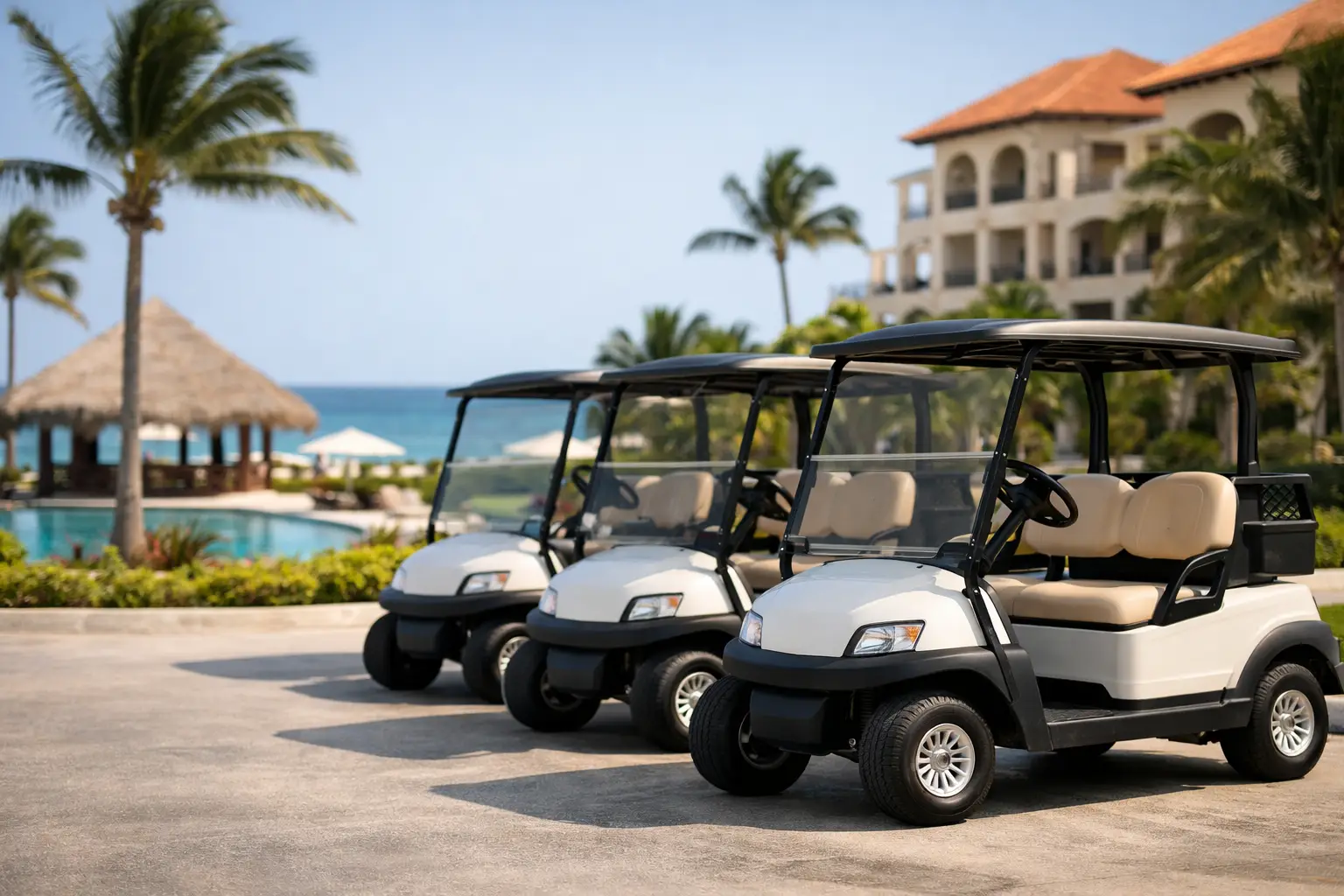
A resort shuttle that will not start during a busy check-in window is more than a maintenance problem. It affects guest service, staff productivity, and the reputation of the property. That is why buying wholesale golf carts Mexico businesses can rely on requires more than comparing the lowest advertised unit price. The right purchase starts with matching vehicle capacity, terrain, operating hours, and service support to the work the fleet will actually perform.
For resorts, golf courses, rental operators, communities, and commercial service teams in Baja California Sur, a wholesale purchase can simplify fleet planning and reduce the cost per vehicle. But a volume order only delivers value when the carts are properly specified, delivered on schedule, and supported after the sale.
What Wholesale Golf Carts in Mexico Should Include
Wholesale does not simply mean buying several identical carts at a discount. A useful wholesale program should provide clear pricing by quantity, access to available inventory, coordinated delivery, and practical support for the life of the vehicles. For a business buyer, the purchase process should also account for warranty terms, replacement parts, charging equipment, and the paperwork needed for the intended use.
The best fleet mix may include more than passenger carts. A beachfront resort may need six-passenger vehicles for guest transportation, utility carts for housekeeping and maintenance, and a few street-legal low-speed vehicles for approved local routes. A golf facility may prioritize reliable two- and four-passenger carts with enough battery range for a full day of play. A rental operator may value durable, easy-to-clean seating and common parts across the fleet.
Buying every vehicle in one category can look efficient on paper. In practice, it can leave employees using passenger carts for maintenance work or guests waiting because the property does not have enough high-capacity transportation. Fleet planning should begin with the job, not the catalog.
Start With Your Daily Operating Conditions
Before requesting a quote, map out how the carts will be used on a normal busy day. Count passenger trips, identify steep grades, note sandy or uneven surfaces, and estimate how many hours each vehicle will operate between charges. These details determine whether a standard golf cart, lifted cart, utility vehicle, or low-speed electric vehicle makes the most sense.
Electric carts are a strong fit for many resort, residential, and golf applications because they are quiet, economical to operate, and well suited to short repeated routes. Their performance depends on battery condition, charging practices, passenger load, terrain, and accessories. A cart moving four guests and luggage over hills has very different energy demands than a two-person cart traveling level paved paths.
Gas-powered options can be practical where long shifts, remote terrain, or limited charging access are part of the operation. They also bring fuel handling, noise, and maintenance considerations. There is no universal best powertrain. The dependable choice is the one that fits the property’s infrastructure and daily workload.
Choose Seating for Real Passenger Loads
A four-passenger cart is often the most flexible vehicle in a mixed fleet, but it is not automatically the best choice for every route. Six-passenger vehicles can reduce the number of trips between a lobby, marina, beach club, or parking area. They require more turning room and should be selected with route width, grades, and driver training in mind.
For commercial operations, do not overlook cargo needs. Utility beds, enclosed storage, ladder racks, and towing capability can make a vehicle substantially more useful for grounds crews, housekeeping, security, and event operations. Adding aftermarket equipment later can be possible, but ordering the right configuration from the beginning usually creates a cleaner, more consistent fleet.
Evaluate the Cost Beyond the Purchase Price
A low initial price can become expensive if the vehicles need frequent repairs, lack parts availability, or cannot be serviced quickly in your area. Wholesale buyers should compare total operating cost, not just the number at the bottom of the quote.
Ask what battery type is included and how it affects maintenance, charging time, range, and replacement cost. Traditional lead-acid batteries can be a sensible option for certain fleets when maintained correctly. Lithium batteries generally offer faster charging, lower maintenance, and longer useful life, but they add to the upfront investment. The right decision depends on the operating cycle and whether the business benefits from reduced downtime.
Warranty coverage matters just as much. Review what is covered, how long coverage lasts, whether labor is included, and how warranty claims are handled in Mexico. A clear warranty process is especially valuable for buyers managing several units, because one out-of-service vehicle can disrupt an entire route during peak occupancy.
Inspect Availability, Specifications, and Support
When ordering multiple vehicles, small specification differences can create large service headaches later. Confirm that the quoted model, year, seating capacity, battery system, color, accessories, and tires are the same as the vehicles being delivered. If substitutions are possible due to inventory changes, get the approval process in writing before the order is finalized.
A reliable dealer should be prepared to discuss these practical points before asking for a deposit:
- Current inventory and realistic delivery timing
- Fleet pricing and any accessories included in the quote
- Battery, charger, and warranty specifications
- Parts availability and service options after delivery
- Delivery logistics, inspection, and documentation requirements
This is not unnecessary paperwork. It protects the buyer from assumptions that lead to delayed delivery, inconsistent vehicles, or unexpected costs after the carts arrive.
Plan Delivery and Charging Before the Fleet Arrives
Delivery timing is often a deciding factor for new resorts, property expansions, high-season rental demand, and event transportation. Confirm where the carts will be unloaded, who will receive them, and whether the destination can accommodate a commercial delivery vehicle. Properties with narrow access roads, gated entries, or limited staging areas need a delivery plan well before the scheduled date.
Charging should be planned at the same time. Charging stations need adequate electrical capacity, ventilation appropriate to the battery type, protection from weather, and a layout that allows staff to park and connect vehicles without blocking operations. A fleet with insufficient charging capacity may look fully ready at opening, then lose availability after the first high-demand day.
Coyne Carts supports buyers who need inventory depth and coordinated delivery for personal, resort, and commercial transportation needs in Cabo San Lucas, San Jose del Cabo, La Paz, Loreto, Los Barriles, and beyond. For cross-border or destination-based orders, verify timelines, delivery responsibilities, and paperwork early rather than treating logistics as a final detail.
Street-Legal Use Requires Local Verification
Many buyers use the terms golf cart and street-legal vehicle interchangeably, but they are not always the same. A street-legal low-speed vehicle may require specific equipment such as lights, mirrors, seat belts, a windshield, a vehicle identification number, and other required safety features. Registration, insurance, and allowable roads can vary by municipality, state, and the intended route.
Do not assume that a cart used inside a resort or gated community can legally travel on public roads. Verify the rules that apply where the vehicle will operate before selecting the model. This step is particularly important for hotels, vacation rental communities, and service companies that expect drivers to move between separate properties.
Build a Fleet That Can Stay in Service
A commercial fleet needs a simple operating plan from day one. Assign responsibility for charging, cleaning, daily walk-around inspections, tire-pressure checks, and reporting damage. Keep a record of vehicle numbers, battery service, repairs, and warranty work. These habits make it easier to spot recurring issues before they become downtime.
It is also smart to consider a small reserve capacity. A fleet with exactly enough carts for a normal day has no margin for maintenance, unexpected guest volume, or an out-of-service unit. The right reserve level depends on the operation, but busy hospitality and rental businesses usually benefit from having a practical backup plan.
The strongest wholesale purchase is not the one with the cheapest quote. It is the fleet that fits the property, arrives ready to work, and has a clear path to service when guests and staff depend on it.