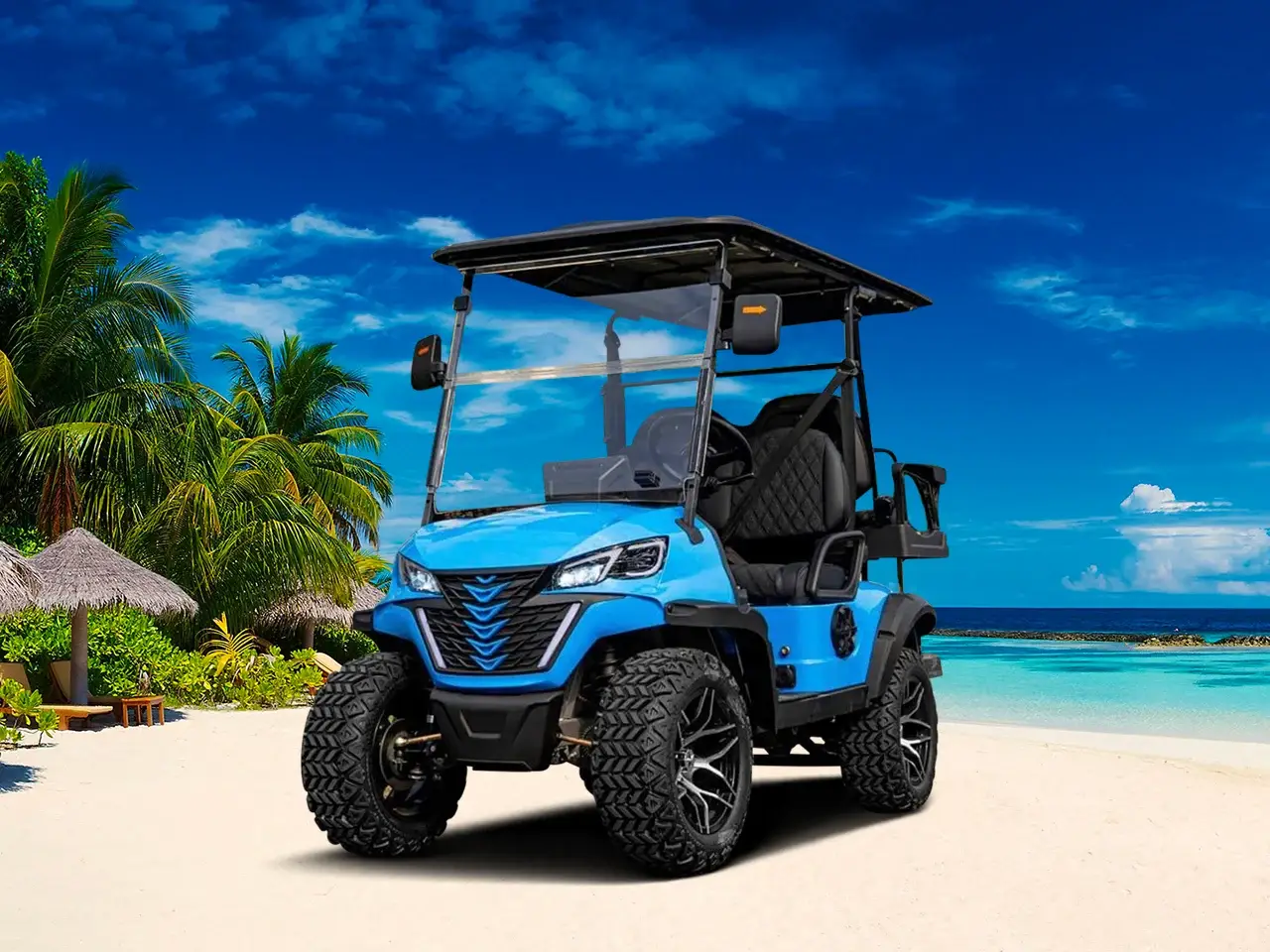
A golf cart that looks like a bargain can become expensive fast if it needs batteries, tires, suspension work, or electrical repairs shortly after delivery. That is why the new versus refurbished carts decision should start with how you will use the vehicle, not simply the price on the windshield. A homeowner moving around a coastal community has different needs than a resort transporting guests or a maintenance team hauling equipment all day.
The right choice can be either new or refurbished. The key is knowing what is included, what condition the vehicle is truly in, and who will stand behind it after the sale.
New Versus Refurbished Carts: Start With the Job
Before comparing models, define the daily workload. Consider passenger count, typical travel distance, terrain, storage space, charging access, and whether the vehicle needs to be street legal in your area. A two-seat cart for short trips around a residential community is a much different purchase than a six-passenger shuttle for a hotel or a utility cart for grounds crews.
New golf carts make sense when you want the newest platform, a full manufacturer warranty, current safety features, and predictable ownership from day one. They are often the stronger choice for buyers who plan to keep a vehicle for years, need dependable daily service, or want a specific color, seating layout, lift kit, enclosure, or street-ready configuration.
A properly refurbished golf cart can be an excellent value when the budget is tighter or when you need multiple vehicles. It can also be the practical answer for rental operators and seasonal properties that need capable transportation without paying new-vehicle pricing for every unit. The word “refurbished,” however, is not a universal standard. One seller may mean cleaned and repainted. Another may mean the cart has been thoroughly inspected, repaired, fitted with tested batteries, and upgraded with new components. Ask for the details.
What You Pay For With a New Cart
A new golf cart is more than unused upholstery and glossy paint. You are buying a known starting point. The chassis, drivetrain, batteries, wiring, brakes, steering components, and electronics have no prior wear history. That matters when uptime is essential.
For commercial buyers, a new vehicle can make budgeting easier. There are fewer unknowns during the early ownership period, and warranty coverage may reduce exposure to unexpected repair costs. Resorts, golf properties, and transportation fleets often value that predictability, especially when a vehicle is part of the guest experience or daily operations.
New models also give buyers greater choice. If you need lithium power, extended range, premium seating, a rear-facing seat kit, cargo capacity, lighting packages, or a low-speed vehicle setup, starting with a new platform can be simpler. You can select the configuration that fits the job rather than compromise around what happens to be available used.
There is a trade-off: higher upfront cost. A new cart may not be necessary for occasional use, a simple neighborhood runabout, or a property where a well-maintained refurbished model will meet the actual need just as well.
What Makes a Refurbished Golf Cart Worth Buying
A refurbished golf cart should offer more than a lower price. Its value comes from the quality of the inspection, repairs, replacements, and preparation completed before it reaches the buyer. The best refurbished units are evaluated mechanically and electrically, not just cosmetically improved.
Start with the power system. For electric golf carts, battery age, type, maintenance history, charge performance, and expected range matter as much as the body color. Lead-acid batteries can be a cost-effective option, but they require routine charging and water maintenance. Lithium batteries typically cost more upfront while offering lighter weight, faster charging, and a longer service life in many applications. Ask exactly what battery system is installed and whether it is new, tested, or nearing replacement.
Next, inspect the wear items. Tires, brakes, bushings, steering parts, suspension components, chargers, cables, lights, and seat frames all affect how a cart performs after delivery. A clean exterior should never substitute for a clear explanation of the vehicle’s condition.
A quality refurbished cart can be especially appealing when you want a proven platform with useful upgrades already installed. For example, a cart may include new seats, upgraded wheels and tires, lighting, a rear seat, a windshield, or an enclosure at a price that remains below a similarly equipped new unit. That can be a smart purchase if the mechanical foundation is sound.
Questions That Separate a Good Deal From a Future Repair Bill
You do not need to be a technician to buy confidently, but you do need direct answers. Ask the dealer whether the cart has been inspected for steering, braking, charging, suspension, and electrical performance. Ask what was replaced, what was repaired, and what remains original.
Request clarity on the vehicle’s age and usage history when available. A cart used lightly on a private property may have a very different wear profile than one used daily in a rental fleet. Usage alone does not disqualify a vehicle, but it should influence price, expected maintenance, and warranty terms.
Also confirm what the quoted price includes. Delivery, batteries, charger, accessories, documentation, and warranty coverage can change the real cost considerably. Transparent pricing helps you compare vehicles fairly instead of discovering essential expenses after you have committed.
For buyers in Baja California Sur or other destination markets, service access deserves special attention. A lower-priced cart is not a better deal if replacement parts, battery support, or qualified service are difficult to obtain when you need them. Choose a dealer with the inventory depth and parts support to keep your cart moving.
Warranty and Service Matter More Than the Badge
Warranty is often where the difference between new and refurbished becomes most visible. New carts generally come with manufacturer-backed coverage that may apply to specific components for different lengths of time. Refurbished carts may carry a dealer warranty, limited coverage, or no warranty at all. None of those options is automatically bad, but the terms should be clear before purchase.
Read what is covered. Batteries may have different coverage from the vehicle itself. Wear items, damage from improper charging, and modifications may be excluded. If you are buying for a business, ask how warranty service is handled, how quickly parts can be sourced, and whether service support is available in your operating area.
This is where a full-service dealership relationship has real value. Coyne Carts supports buyers with vehicle selection, service, parts, warranty assistance, and delivery options, helping reduce the gap between buying a cart and keeping it reliable over time.
Match the Golf Cart to Your Ownership Plan
If you plan to own one cart for many years and want the latest features with the least uncertainty, new is usually the stronger long-term fit. It is also a sensible choice when brand presentation, passenger comfort, range, and daily reliability are central to your business.
If you need dependable transportation at a lower entry price, a thoroughly refurbished golf cart may be the better move. It works particularly well when the dealer can show what has been serviced, provide meaningful coverage, and support the vehicle after the sale.
For fleet buyers, the best answer may be a mix. New units can handle high-visibility guest transportation or demanding daily routes, while refurbished utility carts can cover less critical tasks at a lower capital cost. The goal is not to buy every vehicle the same way. It is to put the right asset in each role.
Take the time to compare condition, battery health, included equipment, warranty, and service support side by side. The cart that fits your workload and has a clear path to maintenance will serve you better than the one that simply has the lowest initial price.