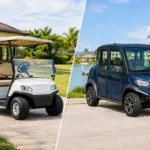
A vehicle that feels perfect inside a resort, gated community, or beachfront neighborhood may not be the right choice once it reaches a public road. That is the real issue behind the buggy versus LSV decision. Both can carry people comfortably, reduce short-trip driving, and simplify property transportation. The difference is how they are built, equipped, and approved for the way you plan to use them.
For homeowners, the choice often comes down to convenience versus road access. For resorts, rental operators, and commercial fleets, it can affect liability, driver policies, maintenance planning, and where guests or employees can travel. Buying based on appearance alone can create an expensive mismatch. Start with the routes your vehicle needs to cover, then choose the category that fits.
What People Usually Mean by a Buggy
In Cabo and other resort markets, “buggy” is a broad, everyday term. It can describe a golf cart-style vehicle, an electric people mover, a lifted recreational cart, or a utility-oriented vehicle with rear cargo space. Buggies are popular because they are easy to operate, compact, and practical for short trips around private communities, golf facilities, hotels, marinas, and large properties.
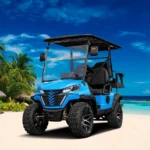
A buggy may be gas or electric, two-seat, four-seat, or six-seat. It may have basic seating and a roof, or it may include upgraded suspension, lights, windshields, premium seats, storage, and custom finishes. That range is part of the appeal, but it also means the word “buggy” does not tell you whether a vehicle is approved for public-road use.
Many buggies are best suited to private roads or controlled-access environments. They can be an excellent choice when the route is predictable and speeds are low. A maintenance team moving supplies between buildings, a homeowner traveling from a villa to the clubhouse, or a resort transporting guests within the property may not need street capability at all.
What Makes an LSV Different?
An LSV, or low-speed vehicle, is a defined vehicle category rather than a style of cart. In markets where LSV standards apply, the vehicle is equipped and certified for limited public-road use under applicable local rules. It is designed for lower-speed streets, not highways or high-speed traffic.
An LSV typically includes road-oriented equipment such as headlights, brake lights, turn signals, mirrors, seat belts, a windshield, a horn, a vehicle identification number, and other required safety components. Registration, insurance, driver licensing, and permitted road speeds can still vary by jurisdiction. The vehicle itself may be LSV-ready, but the buyer must confirm the local requirements where it will operate.
This is the practical distinction: a buggy can be ideal on private property, while an LSV is intended to give you more options beyond the gate. If you expect to travel between a home, restaurant, beach club, market, or nearby amenities on eligible public roads, an LSV may be the better fit.
Buggy Versus LSV: The Questions That Matter
The right choice is not always the more equipped vehicle. It is the vehicle that does the job safely, legally, and without paying for capability you will never use.
Where will it actually travel?
Map the routes before you shop. Include neighborhood streets, crossings, hills, parking areas, service lanes, and any route that connects separate properties. A buggy may be all you need if every trip stays within a private development or resort. If your daily plan includes public streets, even for short distances, you should investigate an LSV and local registration requirements first.
Do not assume that a cart with headlights is street legal. Added accessories can improve visibility and comfort, but they do not automatically change a vehicle’s legal classification. Street access depends on the vehicle’s compliance equipment and the rules enforced in the specific area.
How many people and how much cargo?
Both categories offer multiple seating configurations. A two-passenger vehicle works well for a couple, security patrol, or light maintenance use. Four-passenger and six-passenger configurations make more sense for families, guest transportation, resort operations, and real estate tours.
Think about the full load, not only the number of seats. Adults, beach gear, groceries, luggage, tools, and coolers all affect the vehicle’s usefulness. A rear-facing seat can be a smart solution for occasional passengers, while a purpose-built utility bed may be better for landscaping, housekeeping, engineering, or beach operations.
What level of comfort do passengers expect?
For a personal cart, comfort may mean upgraded seating, a windshield, weather protection, and enough suspension travel for uneven community roads. For a hospitality business, comfort also means easy entry, secure handholds, dependable braking, and a clean, professional appearance that reflects the property.
LSVs often bring a more road-oriented package, but a well-equipped buggy can be more than comfortable for private-property travel. The key is matching the build to the terrain. A low-profile cart may be ideal for smooth paved paths. Lifted suspension and all-terrain tires may be more appropriate for rougher roads, but those upgrades can also change ride quality, range, and maintenance needs.
How far will it go each day?
Electric vehicles are quiet, efficient, and especially well suited to regular short-distance use. Battery range, however, depends on passenger weight, terrain, tire choice, temperature, driving habits, and accessory use. A vehicle carrying six guests uphill with lights and fans running will use more energy than a two-person cart on level paths.
Before selecting a battery configuration, estimate the full day of use rather than one trip. A homeowner may charge overnight and have more than enough capacity. A resort fleet that runs all day may need planned charging windows, spare units, or a battery system chosen specifically for high-cycle commercial use.
Gas-powered vehicles can be useful where charging access is limited or daily runtime is unpredictable. They also require a different maintenance routine and fuel-management plan. There is no universal winner. The better choice depends on your infrastructure and operating schedule.
Safety, Registration, and Local Rules
An LSV can expand where a vehicle may operate, but it does not make every road appropriate. Low-speed vehicles are generally intended for lower-speed streets that permit their use. They should not be treated as substitutes for a full-size car on fast-moving roads, major corridors, or routes with limited visibility.
Buyers in Baja California Sur should verify current rules with the appropriate local authority before committing to a particular vehicle. Requirements can differ based on the municipality, road type, registration process, insurance expectations, and the vehicle’s intended use. This matters even more for rentals and resorts, where guest safety and business liability are part of the purchasing decision.
For commercial operators, establish simple operating rules from the beginning. Define authorized routes, passenger limits, charging or fueling procedures, inspection schedules, and who is permitted to drive. Those steps protect the vehicles, reduce downtime, and help keep the fleet consistent during busy seasons.
Choosing the Right Vehicle for Your Operation
A private community or resort with controlled roads may get the best value from a quality buggy configured for its actual routes. It is often simpler, more cost-effective, and easier to tailor to passenger or cargo needs. A six-passenger buggy for guest shuttles or a utility buggy for grounds crews can deliver exactly what the operation requires.
An LSV is usually the stronger choice when road access is central to the purchase. Homeowners who need to travel within an eligible neighborhood, businesses serving multiple nearby sites, and buyers who want a more complete on-road equipment package should start there. The added capability can be worthwhile, provided local rules allow the intended use.
The best purchase also includes support after delivery. Ask about available parts, service intervals, warranty coverage, battery care, and turnaround time for repairs. A lower upfront price can lose its advantage quickly if the vehicle is difficult to service or cannot stay in operation when you need it most.
Coyne Carts helps buyers compare seating, power, range, road-use equipment, and fleet requirements before they choose a vehicle. With options for personal use, resorts, rentals, and commercial operations, the goal is straightforward: put the right unit on the right route with service support behind it.
Before you decide, take your planned route, passenger count, daily mileage, and local road rules to the dealer. A clear answer to those four points will tell you far more than a vehicle’s color, lift kit, or accessory package ever will.