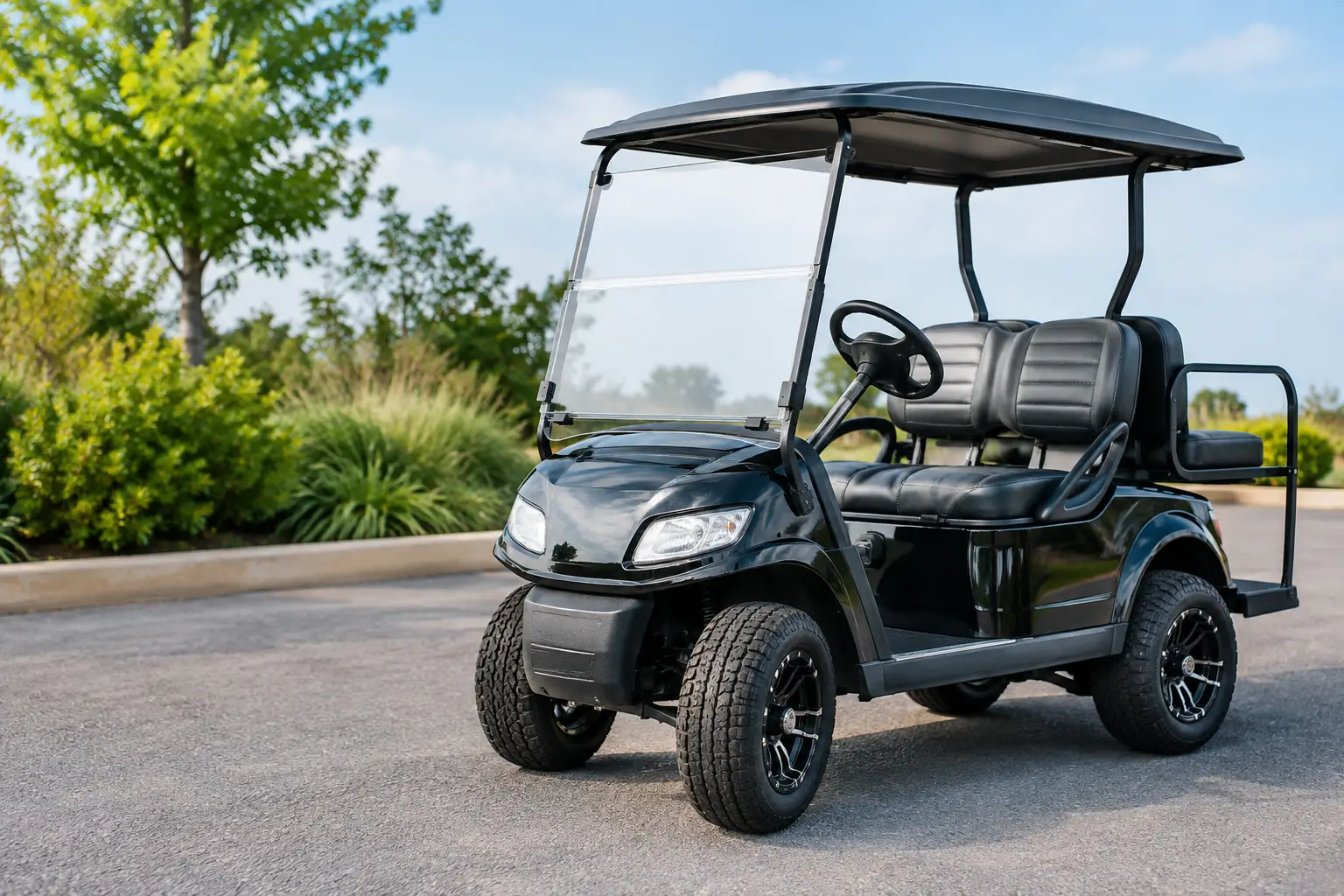
A street legal cart review should start with the roads you actually plan to use, not the paint color or accessory package. A cart that feels perfect for moving around a resort community, marina, or beach neighborhood can become frustrating if it lacks the seating, range, paperwork, or service support your daily routine requires.
For homeowners, property managers, resorts, and rental operators, the best choice is usually the vehicle that fits the local rules and does its job reliably every day. That means looking beyond the advertised top speed and asking practical questions before money changes hands.
What Makes a Cart Street Legal?
A street legal cart is not simply a standard golf cart with lights added. Depending on the jurisdiction, it may need to qualify as a low-speed vehicle, meet specific equipment standards, carry registration or insurance, and be limited to approved public roads with lower posted speed limits.
Required equipment commonly includes headlights, taillights, brake lights, turn signals, mirrors, a windshield, a horn, seat belts, a parking brake, reflectors, and a vehicle identification number. Requirements vary by city, state, country, and even by neighborhood or resort development. A vehicle that is legal in one community may not be legal a few miles away.
Before selecting a cart, confirm where it will be driven. In Baja California Sur, for example, buyers should verify local registration, insurance, road-use, and import requirements with the appropriate authorities rather than relying on general advice. A dealer can help explain vehicle documentation and equipment, but local approval ultimately depends on the rules where you operate.
Street Legal Cart Review: Start With Real Use
The most useful review is not about which cart has the longest feature list. It is about whether the vehicle works for your passengers, cargo, terrain, and operating schedule.
Seating is more than passenger count
Two-seat carts make sense for couples, individual property use, security rounds, and short errands. Four-seat models are often the sweet spot for families, vacation homes, and guest transportation. Six-seat vehicles are better suited to resorts, rental fleets, and larger groups, but they require more space to park and turn.
Pay attention to how the seats are arranged. Forward-facing rear seats typically provide a better passenger experience on road routes. Rear-facing seats can be useful for casual neighborhood use, but they may be less comfortable for longer trips and can limit how riders interact with the vehicle.
Also check the stated payload. Filling every seat with adults, bags, coolers, or maintenance supplies affects acceleration, braking, and hill-climbing ability. For business buyers, it is smarter to choose capacity with room to spare than to run a smaller vehicle at its limit every day.
Range should match your busiest day
Electric carts are quiet, economical to operate, and well suited to planned routes. But range estimates are not guarantees. Battery type, passenger load, tire pressure, hills, temperature, driving speed, and accessory use all change how far a vehicle can travel between charges.
Ask for realistic range expectations based on your use case. A homeowner making short trips from a residence to a beach club may need far less range than a resort team running guest shuttles from morning through evening. If the cart will be used commercially, build charging time into the operating plan and consider whether a second vehicle or battery strategy is needed.
Battery technology matters as well. Lithium battery systems generally offer quicker charging, lower weight, and less routine maintenance than traditional lead-acid batteries. They also typically cost more up front. Lead-acid can still be a workable choice for lower-use applications when properly maintained, but it demands attention to charging habits, water levels where applicable, and battery condition.
Power and speed need a purpose
More speed is not always better. Street legal low-speed vehicles are designed for controlled, lower-speed roads, not highways or fast arterial routes. The right vehicle should accelerate predictably, climb the grades on your property, and stop confidently when loaded.
If your route includes steep driveways, loose surfaces, or regularly carries equipment, ask about motor output, controller settings, braking system, tire selection, and suspension. A cart that performs well on smooth, flat pavement may feel underpowered or unsettled on uneven resort roads or hilly residential areas.
Equipment That Earns Its Keep
Street legal equipment should do more than satisfy a checklist. It should make the cart easier and safer to use in changing conditions.
A proper windshield helps with wind, dust, and unexpected weather, while mirrors matter in busy communities where bicycles, pedestrians, and service vehicles share narrow roads. Seat belts should be accessible for every rider, not buried behind cushions or difficult to adjust. Bright lighting and clear turn signals are especially valuable at dusk, during early maintenance shifts, and around hotel traffic.
Consider the accessories your operation will use every week. A rear cargo bed, lockable storage, cooler space, upgraded tires, rear camera, roof enclosure, or weather curtains can be practical upgrades. The trade-off is weight, cost, and sometimes reduced visibility or passenger room. Buy accessories to solve known problems, not because they look impressive on the showroom floor.
The Paperwork Test Before You Buy
Paperwork is where a good deal can become an expensive delay. Ask the seller exactly what documentation comes with the vehicle and what remains your responsibility. This may include the manufacturer’s certificate of origin, VIN documentation, bill of sale, warranty records, battery information, and any paperwork required for registration or insurance.
For buyers moving a vehicle across borders or shipping it to an island or remote market, documentation needs even more attention. Confirm the shipping plan, import process, destination requirements, delivery timing, and who handles each step. A low advertised price is less meaningful if the vehicle arrives without the documents needed to put it into service.
Commercial buyers should also keep records organized for fleet management. Vehicle serial numbers, key assignments, charging instructions, maintenance dates, and warranty contacts save time when multiple employees use the same equipment.
Service Support Matters More Than the First Sale
A street legal cart is a vehicle, not patio furniture. It will eventually need tires, brakes, batteries, suspension work, electrical troubleshooting, and routine inspection. Before buying, find out where service will come from, how warranty claims are handled, and whether parts are available for the specific make and model.
This is particularly important for resort fleets and rental operations. Downtime costs more than the repair itself when it leaves guests waiting or forces staff to improvise transportation. A dealer with inventory depth, parts access, and experience supporting both personal and commercial vehicles can make ownership much simpler.
Ask direct questions: What does the warranty cover? Who performs covered repairs? Are replacement parts stocked or ordered? How quickly can common service issues be addressed? Clear answers are a strong sign that the seller plans to support the vehicle after delivery.
Questions Worth Asking During a Test Drive
A short drive reveals more than a brochure. Test the cart with the type of load you expect to carry if possible. Listen for rattles, check brake feel, make sure the steering tracks straight, and verify that lights, signals, horn, mirrors, and seat belts are easy to use.
Notice entry and exit as well. This is easy to overlook until older family members, guests, or uniformed staff climb in and out several times a day. Look at roof height, step height, handholds, seat comfort, and legroom in every seating position.
Finally, ask how the cart behaves after a full day of work. A capable dealer should be comfortable discussing charging requirements, maintenance intervals, battery life expectations, parts availability, and the difference between a light-use personal cart and a vehicle built for repeated commercial duty.
Coyne Carts works with buyers who need more than a vehicle on a showroom floor, whether that means a personal cart for a Cabo-area home or a multi-unit transportation solution for a hospitality operation. The goal is to match the vehicle, equipment, documentation, and support plan to the way it will actually be used.
The right street legal cart should feel simple once it is in service: easy to drive, properly equipped, supported when needed, and suited to the roads and people it carries. That is the standard worth shopping for.