

How to Shop Featured Vehicle Inventory Online
October 23, 2026
Shop featured vehicle inventory online with confidence. Compare seating, power, warranties, delivery, and service support before you choose a vehicle.


A vehicle that looks like a great buy in the U.S. can become an expensive problem at the Mexican border if the paperwork, import type, or vehicle eligibility is wrong. This vehicle import Mexico guide explains the decisions to make before you arrange transport, hand over a deposit, or point a trailer south.
For buyers bringing cars, trucks, golf carts, low-speed vehicles, utility vehicles, or powersports equipment into Mexico, the right path depends on where the vehicle will operate, how long it will stay, who owns it, and whether it must be registered in Mexico. The details matter. A temporary permit is not the same as permanent importation, and a vehicle that works well on private resort property may face different requirements than one intended for public roads.
The first question is simple: are you bringing a foreign-plated vehicle into Mexico temporarily, or are you permanently importing it for Mexican ownership and registration?
A temporary import is generally used by foreign visitors and residents who are legally eligible to bring in a foreign-plated vehicle for a limited period. It is often associated with a Temporary Import Permit, commonly called a TIP. The permit is tied to the vehicle and the authorized importer, so it should never be treated as a casual document that can be ignored once the vehicle is in Mexico.
Permanent importation, often referred to as nationalization, is for a vehicle that will remain in Mexico and be registered there. This route involves customs clearance, a customs declaration known as a pedimento, applicable taxes and duties, and compliance with the current rules for eligible vehicles. It can make sense for a buyer building a local fleet, equipping a resort, or purchasing a vehicle for long-term use in Baja California Sur.
Do not assume every used U.S. vehicle can be permanently imported. Eligibility can depend on the vehicle’s model year, VIN, country of manufacture, condition, classification, and the import rules in force at the time of entry. Rules and enforcement can change, so verify eligibility with a qualified Mexican customs broker before buying the vehicle.
Standard passenger vehicles are not the only imports crossing the border. Golf carts, street-legal buggies, low-speed electric vehicles, ATVs, UTVs, and commercial utility units can each be treated differently depending on their design and intended use.
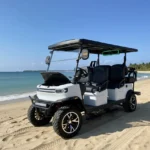
A golf cart used exclusively inside a private community, golf course, resort, or large property may not need the same paperwork or equipment as a vehicle driven on public streets. But a street-legal low-speed vehicle may need lights, mirrors, seat belts, a windshield, a vehicle identification number, and other equipment before local registration or road use is possible.
ATVs and UTVs create another distinction. A unit used off-road, on private land, or for resort operations may have different import and registration needs than one promoted for road use. Never rely on a seller’s phrase such as “street legal” without confirming what that means in the specific Mexican municipality where the vehicle will operate.
For commercial buyers, classification also affects the numbers. A six-passenger transport cart, maintenance utility vehicle, or resort shuttle may be purchased as fleet equipment rather than personal transportation. That can change the documents your business needs, the service plan you should arrange, and the value of having a dealer coordinate cross-border logistics.
The purchase price is only the first number. A proper budget looks at what it costs to place the vehicle in usable condition at its final Mexican destination.
Your total may include vehicle purchase, U.S. pickup, enclosed or open transport, export preparation when required, customs broker fees, import duties, VAT, customs processing charges, and Mexican registration. Add insurance, plates, delivery from the border, and any modifications needed for compliant or safe use.
For electric carts and low-speed vehicles, also budget for chargers, battery type, replacement battery availability, and service access. A cheap unit that needs uncommon parts can cost more over time than a properly supported vehicle with clear warranty coverage.
Ask for a written estimate that separates the vehicle price from transport, customs, taxes, and local delivery. Transparent pricing makes it easier to compare two options fairly. It also helps avoid a common mistake: selecting a lower-priced vehicle that has higher import costs or cannot be permanently imported at all.
Paperwork problems usually start before the vehicle leaves the seller. Names, VINs, titles, invoices, and ownership history need to match exactly. A missing title or an incorrect VIN digit can delay an entire shipment.
Before transport, gather these core documents:
A customs broker may need additional records based on the vehicle category and import route. Send scanned documents early, then keep the originals protected and available. Do not sign incomplete forms or accept an invoice with a vague vehicle description.
If you are buying through a dealer, ask who is responsible for each stage: title transfer, U.S. transport, export handling, customs brokerage, Mexican delivery, registration support, and warranty service. A clear handoff prevents the buyer from getting stuck between multiple providers once the vehicle is already in transit.
Your entry point should be based on the vehicle type, final destination, and import plan, not simply the shortest route on a map. A qualified broker can confirm which port of entry is appropriate and whether the vehicle needs a particular inspection or customs procedure.
Buyers headed to Cabo San Lucas, San Jose del Cabo, La Paz, Loreto, or Los Barriles should also plan for the final leg of transport. Baja deliveries involve distance, schedules, and terrain. For one personal cart, a shared shipment may be economical but less flexible. For a resort fleet or multiple utility vehicles, dedicated transport may offer better control over timing and condition.
The Baja California peninsula has special regional considerations, and rules for a vehicle remaining in the region may differ from rules that apply when taking that same vehicle to mainland Mexico. If you expect to use a foreign-plated vehicle beyond the peninsula, verify permit requirements before travel. Do not assume a vehicle cleared for one area can travel anywhere in the country without additional documentation.
A border crossing does not improve a vehicle’s condition. Before purchase, confirm the VIN, verify title status, review service records, and inspect the unit for accident damage, flood exposure, corrosion, battery condition, tire wear, and missing safety equipment.
For electric vehicles, ask for the battery age, charging history, range under normal load, charger voltage, and availability of replacement components. For gasoline utility vehicles and powersports units, check the engine hours, drivetrain operation, suspension, brakes, and signs of hard commercial use.
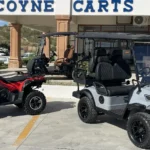
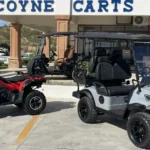
This step matters even more for business buyers. A fleet that arrives with inconsistent batteries, worn tires, or unavailable parts can disrupt guest transportation and operations immediately. Buying from a dealership with inventory depth, parts access, warranty support, and cross-border experience reduces that risk. Coyne Carts can help buyers evaluate suitable cart, low-speed vehicle, utility, and fleet options before arranging delivery into Baja California Sur.
The most expensive error is purchasing first and asking eligibility questions later. Another is assuming a temporary permit allows permanent sale, transfer, or unrestricted use in Mexico. It does not replace the permanent import and registration process.
Buyers also run into trouble when they use an informal transporter without written responsibility for customs handling, fail to keep the pedimento or permit with the vehicle records, or register a vehicle for uses it was not designed to perform. A golf cart is not automatically a street vehicle, and a UTV is not automatically approved for public-road operation.
Finally, do not build your plan around old advice from a neighbor, online forum, or previous border trip. Customs requirements, fees, permit rules, and local registration practices can change. Confirm current requirements with a licensed customs broker, the applicable Mexican authorities, and your insurance provider before shipment.
A well-planned import gives you more than a vehicle on the other side of the border. It gives you a vehicle with a clear ownership trail, the right paperwork for its intended use, and a realistic service plan for the years ahead.