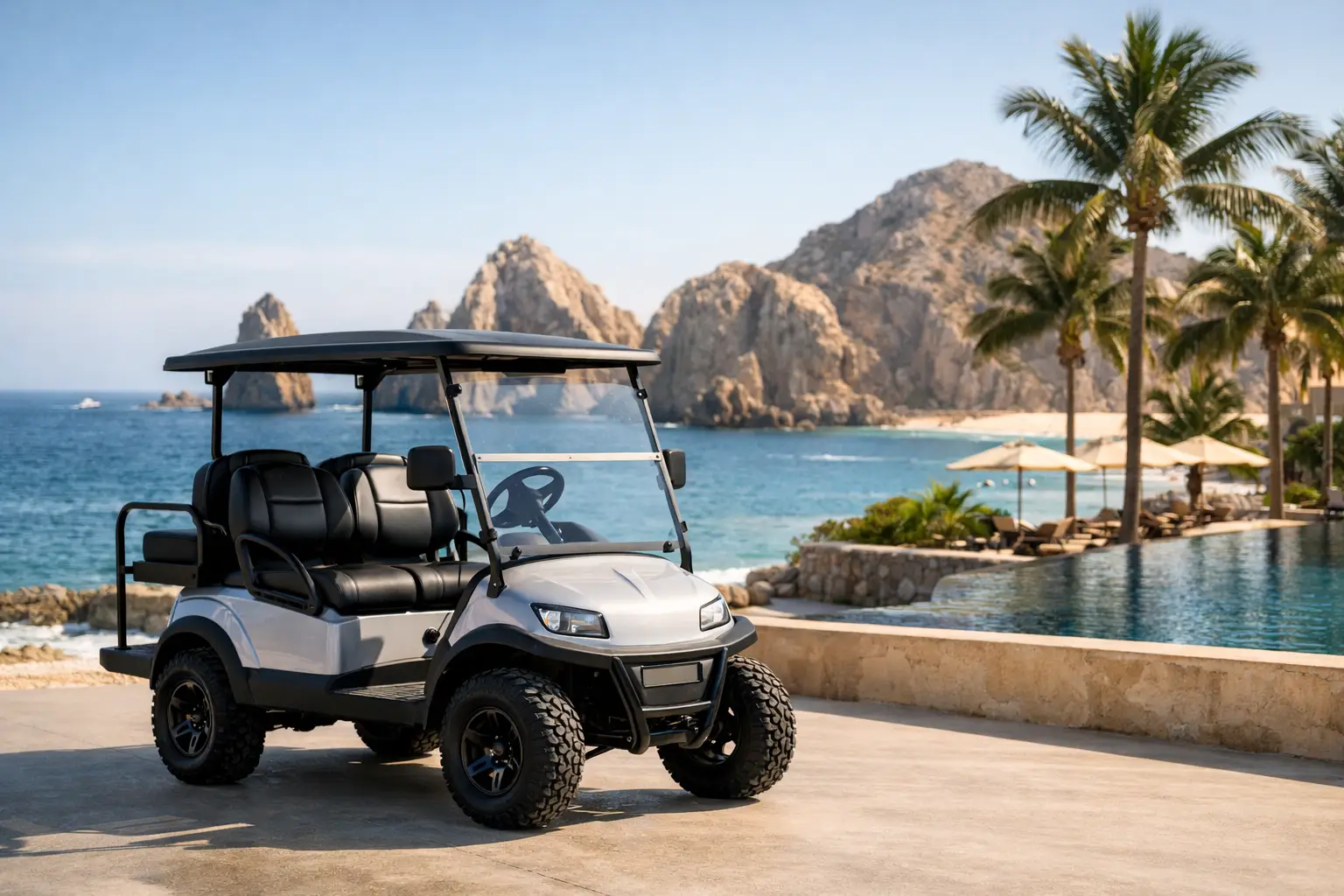
If your cart is going to handle quick store runs, community roads, rental use and evening rides with family, the best golf cart for neighborhoods is not just the one that looks good parked in the driveway. It is the one that fits how you actually move around, how many people you carry, and whether your area expects a true street-legal setup or a simple private-community cart.
That sounds obvious, but it is where many buyers get stuck. They start with color, wheels, or a brand name, then realize too late that the cart rides too rough, does not have enough range, or is missing the equipment needed for neighborhood roads. A neighborhood cart should be easy to live with every day. That means comfortable seating, dependable batteries, practical storage, and service support that does not disappear after the sale.
What makes the best golf cart for neighborhoods?
For most buyers, the right neighborhood golf cart comes down to: seating, range, ride quality and dealer support. If one of those is off, the cart can become more frustrating than useful.
Seating is the first filter. A two-seater works well for couples, solo drivers, and homeowners who mainly use a cart for short personal trips. A four-seater is the most versatile option for neighborhoods because it handles family use without becoming too long or awkward to park. A six-seater makes sense if you regularly carry guests, kids, or extended family, but there is a trade-off. Larger carts need more room, can feel less nimble on tight community streets, and may cost more to maintain.
Range matters more than many people expect. Neighborhood driving sounds light-duty, but small trips add up fast. Morning coffee run, pool, beach, country club, friend’s house, back home, then another trip at night – that can easily stretch beyond what an entry-level battery setup handles comfortably. If you use your cart daily, electric range and charging convenience deserve real attention.
Ride quality is another big separator. Smooth pavement helps, but many neighborhoods still have speed bumps, rough patches, decorative curbs, and uneven side roads. A cart with better suspension, stable steering, and quality tires will feel safer and more comfortable over time.
Electric or gas for neighborhood use?
For most residential buyers, electric is the better answer. It is quieter, cleaner, easier to charge at home, and usually better suited to relaxed neighborhood driving. If you live in a community where noise matters, electric wins by a wide margin.
Gas still has a place, especially in larger properties, mixed-use settings, or areas where charging is inconvenient. It can also make sense for buyers who want longer run time without worrying about battery state. But for typical neighborhood transportation, gas often feels like more machine than you need. It is louder, needs more routine engine service, and does not deliver the same easy day-to-day feel as electric.
If your use is mostly paved roads, short local trips, and regular home charging, electric is usually the smartest buy.
The best size for most buyers
A four-passenger model is usually the sweet spot.
It gives you enough room for family, friends, or extra cargo without stepping into the length and turning-radius issues that come with some six-passenger carts. For neighborhoods, that balance matters. You want a cart that can handle practical use but still feel simple to drive and store.
A two-passenger cart is still a great option if your use is personal and light. Many retirees, second-home owners, and couples prefer a smaller cart because it is easier to maneuver and often more affordable. The mistake is assuming smaller always means better value. If you regularly need extra seating, buying too small leads to regret quickly.
Six-passenger carts fit a more specific buyer. They work well for resort properties, vacation homes, large families, and communities where group transport is common. Just make sure you are not sacrificing maneuverability for seating you only need twice a month.
Street-legal features are not optional if you need them
This is one of the most important parts of buying the best golf cart for neighborhoods. A cart that will be driven on roads open to low-speed vehicles needs more than headlights and a horn.
Depending on local rules, you may need seat belts, mirrors, turn signals, brake lights, a windshield, reflectors, a parking brake, DOT-approved tires, and vehicle identification paperwork. If you skip this step and buy a basic golf cart when you really need a street-legal unit, fixing it later can cost more than buying the right vehicle from the start.
For buyers in resort and coastal markets, this matters even more. Neighborhood driving often blends into commercial zones, beach communities, or mixed-use roads. That is why it helps to buy from a dealership that understands both recreational carts and true low-speed vehicles, rather than treating them like the same thing.
Battery type changes the ownership experience
Not all electric carts feel the same because not all battery systems are the same.
Traditional lead-acid batteries usually cost less upfront, which makes them attractive for budget-conscious buyers. But they require more maintenance, have shorter life cycles, and can lose performance over time. For occasional use, that may be fine. For frequent neighborhood use, they often become the cheaper purchase and the more expensive ownership experience.
Lithium batteries cost more initially, but they charge faster, last longer, weigh less, and generally need less maintenance. If you plan to use your cart most days, lithium is often worth the upgrade. It can improve range, responsiveness, and long-term convenience in a way you notice right away.
This is one of those places where the right answer depends on how often you drive. If the cart is replacing a second car for short trips, lithium deserves serious consideration.
Comfort features are worth paying for
Neighborhood carts are not just utility vehicles. They are daily-use vehicles. That changes what matters.
Good seats, stable suspension, easy entry, quality lighting, and a simple dashboard setup all make ownership better. Rear flip seats can add flexibility if you sometimes need cargo space. Storage compartments, cup holders, and weather enclosures may sound minor, but they become important when the cart is part of your regular routine.
If you live in a warm climate, a canopy and ventilation-friendly design matter. In communities with seasonal weather, enclosure options matter more. The best setup depends on your conditions, but comfort should never be treated like a luxury feature if you plan to use the cart often.
New vs. rebuilt vs. used
A new cart gives you the cleanest buying process. You get current features, warranty protection, and fewer unknowns. That is usually the best fit for buyers who want reliability, easy paperwork, and long-term peace of mind.
A rebuilt cart can offer strong value if the work was done properly and the vehicle has been inspected carefully. The key word is properly. Rebuilt carts vary a lot depending on parts quality, battery age, and the standards behind the refurbishment.
Used carts are where buyers can save money or inherit someone else’s problem. If the battery is near the end of its life, the tires are worn unevenly, or the electrical system was modified poorly, the lower sticker price disappears fast. For neighborhood buyers who want dependable transportation, service history and warranty support matter just as much as purchase price.
That is one reason many customers prefer working with an established dealership instead of buying from a private seller. Inventory matters, but backup after the sale matters more.
How to choose the right cart without overbuying
Start with your real use, not your ideal use. Think about how many passengers you carry most often, how far you drive in a normal day, whether your roads require a street-legal vehicle, and what kind of charging or storage setup you have at home.
If you want the safest general answer, a four-passenger electric cart with lithium power, quality suspension, and street-legal capability is the strongest all-around choice for most neighborhoods. It covers family use, handles frequent driving well, and gives you flexibility if local requirements change.
If your needs are lighter, a two-passenger electric cart can be the smarter buy. If your property or operation is larger, a six-passenger or utility-focused model may fit better. The best golf cart for neighborhoods is not one universal vehicle. It is the one that matches your roads, your passengers, and your daily pattern without adding unnecessary cost or complexity.
For buyers who want fast delivery, real inventory, and support after the sale, that is where working with a dealership with broad selection and warranty backing can make the process much easier. Coyne Carts serves a lot of customers who need exactly that clarity before they buy.
A neighborhood cart should make short trips easier, not create a new list of problems. Buy for the way you live, make sure the legal and battery details are right, and you will end up with a vehicle you use far more than you expected. At Coyne Carts And Powersports we specialize in the Cabo San Lucas market and all of our electric golf carts have larger lithium batteries with warranties up to 8 years! We are one of the only dealers in Baja that offer gas engine models for our customer who do have have the ability to charge.