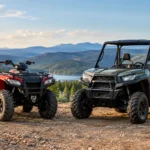
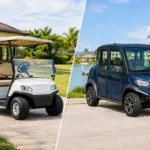
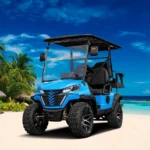
A low-speed vehicle can make short trips around a resort, neighborhood, golf community, or marina far more convenient. But once that vehicle is driven on public roads, LSV insurance requirements can quickly become part of the ownership decision. The right policy protects more than the vehicle itself. It can protect the driver, passengers, property, and business operating the LSV.
For homeowners, the question is usually whether insurance is required before registration and street use. For resorts, rental operators, and service fleets, the bigger question is whether the policy matches how the vehicle is actually used. A standard policy that works for a personal cart may not be enough for guest transportation, maintenance operations, or employee use.
First, Know Whether Your Vehicle Is an LSV
A golf cart and a low-speed vehicle are not always treated the same way. That distinction matters because insurance, registration, equipment, and road-use rules often change once a vehicle is classified as an LSV.
In the United States, an LSV is generally a four-wheeled vehicle designed to travel at more than 20 mph but not more than 25 mph. It must meet federal safety standards for low-speed vehicles, including features such as headlights, taillights, turn signals, mirrors, a windshield, seat belts, a vehicle identification number, and a compliant speed capability.
A traditional golf cart may be limited to private property, golf courses, or specially approved local routes. An LSV is built and equipped for limited public-road use where state and local rules allow it. Many jurisdictions permit LSVs on roads with posted speed limits of 35 mph or lower, but that does not mean every 35 mph road is automatically approved. Local restrictions, crossings, and designated routes can still apply.
This is the first point to settle before shopping for coverage. Tell the insurance agent whether the vehicle is a golf cart, an LSV, a neighborhood electric vehicle, or a street-legal utility vehicle. Calling every small electric vehicle a “golf cart” can lead to a policy that does not reflect the vehicle’s registration status or legal use.
When LSV Insurance Is Usually Required
In many states, an LSV that will be registered and operated on public streets needs insurance much like a passenger vehicle. The minimum required coverage usually includes liability insurance, although limits vary by state.
Liability coverage helps pay for injuries or property damage you cause to others in a covered accident. If an LSV backs into a parked vehicle, clips a gate, or is involved in a collision at an intersection, liability coverage is the foundation of the policy.
State requirements may also include uninsured or underinsured motorist coverage, personal injury protection, or medical payments coverage. Some states require proof of insurance before issuing registration or license plates. Others may allow different rules for low-speed vehicles, especially when use is limited to private communities or local municipal programs.
The practical rule is simple: if you plan to use your LSV on public roads, assume you will need insurance until your local DMV, transportation authority, or licensed insurance professional confirms otherwise. Do not rely on a neighbor’s setup or an online discussion board. Requirements can change by state, county, city, and even community association.
Coverage That Makes Sense Beyond the Minimum
Meeting the legal minimum is not always the same as being adequately protected. Low-speed vehicles are lighter and slower than conventional cars, but repairs, medical claims, and property damage can still become expensive.
For most owners, a well-rounded LSV policy should be discussed in terms of liability, collision, comprehensive coverage, and uninsured motorist protection. Collision coverage can help repair or replace the vehicle after an accident, regardless of who caused it. Comprehensive coverage can address theft, fire, weather damage, vandalism, and certain non-collision losses.
This matters in coastal and resort markets, where vehicles may spend long periods outdoors. Salt air, seasonal storms, theft exposure, and storage conditions are real ownership factors. Insurance will not replace good maintenance, secure storage, or proper charging practices, but it can reduce the financial impact of a covered loss.
Higher liability limits are often worth considering for owners with substantial assets, frequent passengers, or regular public-road use. The lowest policy price can look attractive until a claim exceeds the available coverage.
Personal Use Versus Commercial Use
Personal LSV insurance is not automatically suitable for business use. A vehicle used to transport resort guests, rental customers, employees, luggage, supplies, or maintenance crews may need commercial auto coverage or a specialized fleet policy.
Commercial operators should be direct about how the LSV will be used. Insurers typically want to know who drives it, whether passengers are carried for business purposes, where it travels, how many units are in service, and whether vehicles are rented to the public.
A resort may use six-passenger vehicles for guest shuttles, while a golf course may use utility models for grounds crews. Both operations need dependable equipment, but their insurance exposures are different. Rental use creates another layer of risk because the driver changes from one customer to the next.
Trying to place commercial activity under a personal recreational policy can create trouble when a claim occurs. The correct coverage may cost more, but it is designed around the actual operation and can protect the business when it matters most.
Documents Insurers and Registration Offices May Request
The paperwork process is usually easier when the vehicle is purchased with complete documentation. An insurer or registration office may ask for the manufacturer’s certificate of origin, bill of sale, VIN, proof of required safety equipment, and photographs of the vehicle.
For an imported vehicle or one being moved across borders, documentation deserves extra attention. Requirements can differ between the United States, Mexico, Canada, and local jurisdictions. Registration, import status, and permitted road use should be confirmed before the vehicle is shipped or placed into service.
Keep copies of the purchase documents, warranty information, VIN record, insurance card, and maintenance history together. Businesses should also keep driver authorization records, inspection logs, and incident procedures. Good records speed up registration, simplify renewals, and help if a claim must be filed.
A Practical LSV Insurance Checklist
Before placing an LSV on public roads or into a commercial fleet, confirm these points:
- The vehicle is correctly identified as a golf cart, LSV, or another street-legal vehicle class.
- Its safety equipment and speed capability meet the requirements for the intended use.
- Registration, plates, and driver licensing rules have been verified for the local area.
- Liability limits match the owner’s assets, passenger exposure, and driving environment.
- The policy specifically allows personal, business, resort, rental, or fleet use as applicable.
- The VIN, purchase documents, and proof of insurance are available when needed.
Questions to Ask Before You Buy Coverage
Insurance quotes are only useful when the insurer understands the vehicle and how it will be used. Start by asking whether the policy covers public-road operation, not just private property. Then confirm who is permitted to drive, whether passengers are covered, and whether the policy follows the vehicle if it is transported to another state or seasonal property.
Ask about towing, roadside assistance, accessories, custom seating, enclosures, upgraded batteries, and chargers. These items can add meaningful value to an LSV but may not be fully covered unless they are listed or included under the policy terms.
For fleet owners, ask about replacement-cost options, downtime exposure, blanket coverage for multiple units, and claims support. A vehicle out of service during a busy resort season can affect guest operations and staff productivity, not just transportation.
Insurance Should Match the Way You Drive
The right LSV is only part of a smart purchase. The rest is making sure the vehicle is legal for the roads you intend to use, properly documented, and insured for the real-world job it will perform.
Whether you need a two-passenger neighborhood vehicle, a six-passenger resort shuttle, or a utility unit for daily operations, start the insurance conversation before delivery day. Coyne Carts can help buyers clarify vehicle specifications and paperwork needs so they can move forward with the right equipment and fewer surprises after the sale.