

ATV Versus UTV: Which Fits Your Needs?
November 22, 2026
ATV versus UTV: Compare seating, hauling, handling, and terrain needs to choose the right off-road vehicle for work, property maintenance, or trail riding.


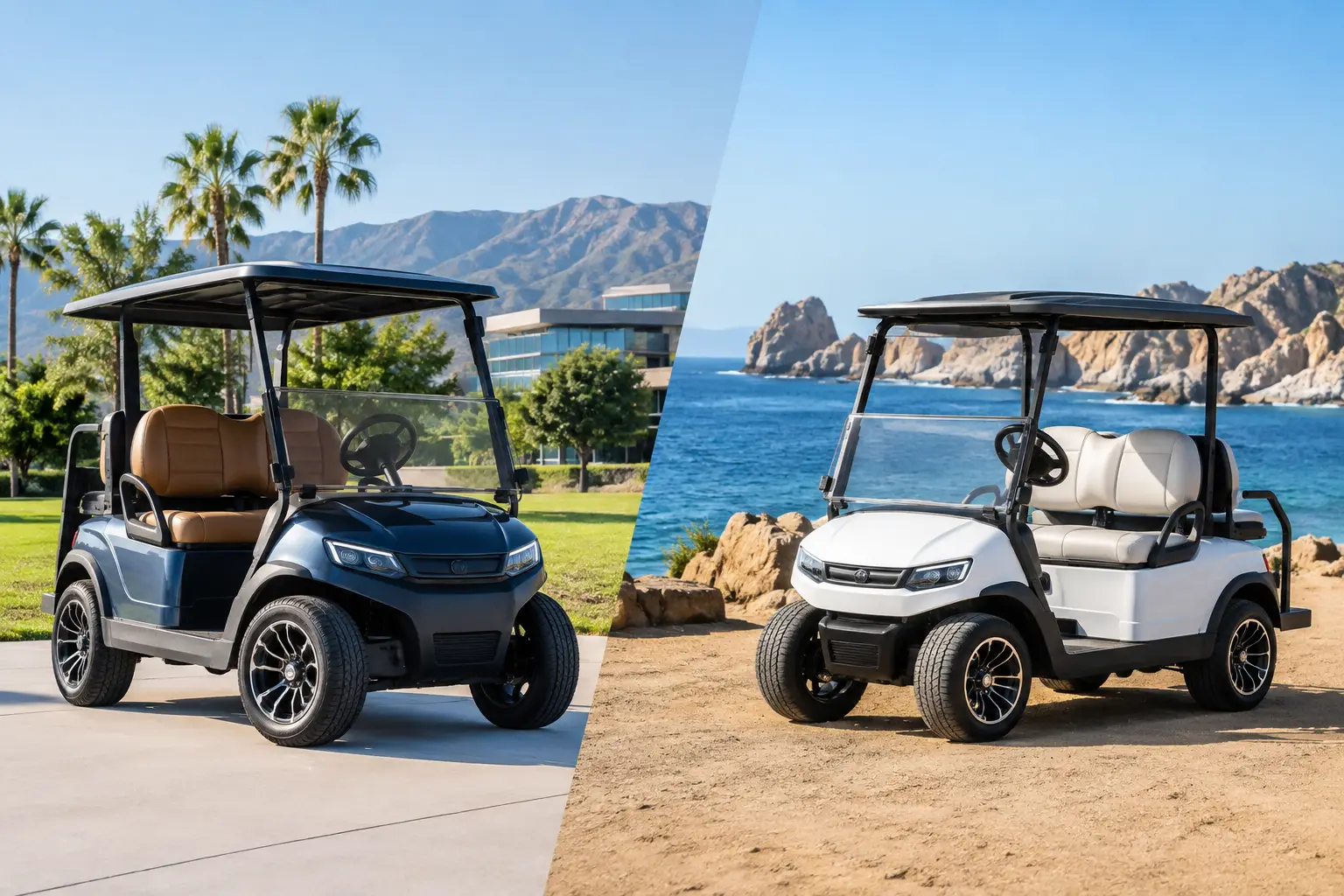
Looking for a San Jose LSV Dealer? How to Choose the Right Low-Speed Vehicle for Your Property Whether you manage a luxury resort, own a home in a gated community, operate a golf course, or oversee a large commercial property, the right low-speed vehicle (LSV) can make everyday transportation easier, more efficient, and more convenient.
But choosing the right vehicle is only part of the decision. Working with a reliable San Jose LSV dealer also means getting expert guidance, transparent pricing, dependable service, and access to the parts and support you need long after your purchase.
For buyers in San Jose del Cabo and the surrounding Los Cabos area, Coyne Carts offers personal, utility, and commercial mobility solutions designed to meet a variety of transportation needs. Whether you need a compact cart for neighborhood travel, a multi-passenger vehicle for guest transportation, or a utility vehicle for daily operations, choosing the right configuration starts with understanding how you plan to use it.
Here’s what to consider before buying and how to find an LSV dealer that supports your needs from selection through ownership.
Find the Right LSV for Your Lifestyle or Business Not every low-speed vehicle is designed for the same purpose. A two-passenger cart for residential use has different requirements from a six-passenger resort shuttle or a utility vehicle used by a property maintenance team.
Before exploring available models, consider how the vehicle will be used each day.
Residential communities: A compact two- or four-passenger vehicle can make it easier to travel around a property, visit neighbors, and handle short everyday trips. Resorts and hotels: Multi-passenger configurations, comfortable seating, durable materials, and dependable charging can support guest transportation and staff operations. Golf courses and recreational properties: Maneuverability, ride comfort, tire selection, and suitable cargo space can make a difference during daily use. Property management and maintenance: Utility beds, tool storage, appropriate ground clearance, and practical load capacity help crews transport equipment and supplies efficiently. Commercial and rental fleets: Consistent vehicle configurations, service access, replacement parts, and coordinated delivery can simplify fleet management. LSV stands for low-speed vehicle, but not every golf-cart-style vehicle is legally classified or equipped as a road-legal LSV. Equipment, registration, and permitted road use depend on the applicable local requirements. Before purchasing, confirm that the vehicle is suitable for the specific roads and properties where you intend to operate it.
When you contact Coyne Carts, be prepared to discuss your typical routes, passenger requirements, daily travel distance, terrain, and charging arrangements. These details help narrow the options and identify a vehicle that fits your actual needs.
What to Look for in a San Jose LSV Dealer A vehicle purchase should come with clear information, not unanswered questions. The right San Jose LSV dealer will help you understand the differences between models, explain ownership requirements, and outline the support available after delivery.
Here are the most important factors to evaluate.
Transparent Pricing and Purchase Details An advertised price is only one part of the total cost. Ask for an itemized quote that explains the vehicle price, accessories, delivery charges, applicable taxes, preparation fees, and registration-related costs where relevant.
If you’re purchasing vehicles for a resort, hotel, rental business, or commercial property, ask about fleet configurations and available upgrades. Depending on the model, these may include additional storage, specialized seating, lighting, branded panels, or charging equipment.
Comparing complete quotes makes it easier to understand the actual investment and avoid unexpected expenses.
Warranty Coverage You Can Understand Warranty protection can be an important part of your purchase, particularly when the vehicle will be used frequently or relied on for business operations.
Ask what coverage applies to the vehicle, battery, charger, electrical components, and labor. You should also understand how warranty claims are handled, where service is performed, and whether replacement parts need to be ordered.
Battery selection deserves special attention. Coyne Carts provides additional information about battery protection plans to help buyers better understand battery ownership.
Lead-acid batteries may offer a lower initial purchase cost but generally require more routine maintenance. Lithium batteries typically require less maintenance and can offer advantages in charging and performance, depending on the system. Your driving habits, budget, climate, and daily workload should all factor into the decision.
Reliable Service and Parts Support Finding the right vehicle is important. Keeping it operating reliably is just as essential.
Before choosing a dealer, ask about service availability, replacement parts, technician experience, and recommended maintenance intervals. Tires, brakes, batteries, chargers, electrical connections, and other components may require attention over the life of the vehicle.
Coastal conditions around Los Cabos make ongoing care particularly important. Salt air, sand, humidity, and strong sunlight can affect finishes, upholstery, tires, and electrical connections over time.
Regular inspections, proper charging, and appropriate storage can help protect your investment. Access to knowledgeable service support can also reduce the inconvenience of unexpected repairs.
When comparing LSV dealers, look beyond the initial sale. Choose a provider that can help you understand what ownership will involve.
Choose the Right Seating, Battery, and Cargo Configuration The best LSV is not necessarily the largest or most expensive model. It is the one that fits your property, passengers, workload, and daily operating conditions.
Two-, Four-, or Six-Passenger Vehicles A two-passenger vehicle may be ideal for individual use, golf, or short trips around a private property. Four-passenger models can offer a practical balance for homeowners, families, and residential communities. Six-passenger configurations may be better suited to larger families, resort operations, and guest transportation.
Remember that additional seating can increase vehicle length and weight and affect turning radius, parking requirements, and maneuverability. Consider the width of your pathways, available storage space, and the areas where the vehicle will operate.
Utility Vehicles for Property Maintenance For commercial properties, cargo capacity can be more important than passenger seating.
Utility vehicles equipped with cargo beds, enclosed storage, tool racks, or rear platforms can help maintenance teams move supplies and equipment without making unnecessary trips.
If you’re selecting a vehicle for property maintenance, explore this guide to utility carts for property maintenance.
Before making a decision, identify the typical weight and dimensions of your cargo. Tools, cleaning supplies, landscaping equipment, and construction materials can place very different demands on a vehicle.
Battery Performance and Charging Battery type and capacity can affect range, charging time, maintenance requirements, and long-term ownership costs.
Think about how many hours the vehicle will operate each day, whether it will make frequent short trips or longer journeys, and where it can be charged safely. Commercial buyers should also consider whether their charging setup can accommodate multiple vehicles without disrupting operations.
A vehicle that suits your daily schedule and charging arrangements is more useful than one selected solely for its advertised specifications.
Inventory, Delivery, and After-Sales Support Matter Once you’ve identified the type of vehicle you need, the next step is finding a dealer that can help you move forward with confidence.
Inventory is an important consideration. Having access to different vehicle types, seating configurations, and utility options makes it easier to compare alternatives rather than settling for a model that doesn’t quite fit.
If your preferred vehicle isn’t immediately available, ask whether it is in stock, in transit, or needs to be sourced. Request a realistic delivery estimate, especially if you’re preparing a resort for peak season, opening a new property, or coordinating a commercial project.
It’s also worth confirming what delivery includes. Ask whether the vehicle will arrive assembled and inspected, what charging equipment is supplied, and whether you’ll receive operating and maintenance guidance.
For fleet purchases, coordinate delivery schedules and ask whether staff can receive a basic vehicle orientation.
Coyne Carts helps buyers explore personal, utility, and commercial mobility vehicles, with service, parts, warranty assistance, and delivery coordination available to support the ownership process. For buyers seeking a San Jose LSV dealer, having these needs addressed through one provider can make the purchasing process more straightforward.
Contact Coyne Carts to discuss your intended application, available configurations, and the next steps toward selecting the right vehicle.
How to Recognize a Dealer You Can Trust A good buying experience should feel informative and straightforward. The dealer should help you understand your options, explain the trade-offs between models, and provide purchase details in writing.
Look for a provider that asks practical questions before recommending a vehicle:
How many passengers or how much cargo will you carry? How far will you travel on a typical day? Will you encounter steep grades, sand, or uneven surfaces? Where will the vehicle be parked and charged? Will it be used on private property, public roads, or both? How important are local service access and minimizing downtime? These questions help establish whether a vehicle is appropriate for your requirements.
You should also be able to discuss routine maintenance, warranty limitations, replacement parts, and expected operating costs. A dealer who explains these details helps you make a more informed purchase and plan for long-term ownership.
Calculate the Total Cost of Ownership The initial purchase price is important, but the full cost of owning an LSV can be even more revealing.
Consider the following expenses when comparing vehicles:
Vehicle purchase price and applicable taxes. Battery replacement and charging costs. Scheduled maintenance and repairs. Insurance or registration costs where applicable. Accessories and equipment upgrades. Delivery and preparation fees. Potential downtime and replacement vehicle needs for commercial operations. For resorts, rental companies, and property managers, unexpected downtime can disrupt daily operations and affect the customer experience. A vehicle with appropriate specifications, dependable parts access, and suitable service support may offer better long-term value than a less expensive alternative that doesn’t meet the property’s needs.
For residential buyers, comfort, ease of charging, seating capacity, and convenient maintenance may be the deciding factors.
If you’re purchasing multiple vehicles, review this commercial fleet buying guide to help organize your purchasing considerations and compare options.
Find Your Next LSV With Coyne Carts Choosing the right low-speed vehicle starts with understanding how you’ll use it. From residential transportation to resort guest services and commercial property maintenance, the right combination of vehicle type, seating, battery, cargo capacity, and after-sales support can make a meaningful difference in your ownership experience.
If you’re searching for a San Jose LSV dealer, Coyne Carts can help you explore personal, utility, and commercial mobility options based on your needs.
Before you reach out, make a short list of your passenger requirements, typical travel distance, terrain, charging arrangements, preferred features, and delivery timeline. With those details in hand, you can have a more productive conversation and compare suitable options with greater confidence.
Ready to find the right low-speed vehicle for your home, resort, or business?
Visit Coyne Carts to explore available vehicle options and learn more about the services and support that can help you make an informed purchase.
Contact Coyne Carts today to discuss your requirements and take the next step toward a mobility solution that works for you.
Why this version is stronger More effective local SEO: The target phrase appears naturally in the title, opening, body, and conclusion, alongside San Jose del Cabo and Los Cabos.
Stronger business positioning: Coyne Carts is introduced earlier and referenced in relevant sections instead of appearing primarily near the end.
More conversion opportunities: The article includes calls to action at key decision points, rather than relying on one final sales pitch.
Better readability: Shorter paragraphs, practical subheadings, and bullet points make the article easier for prospective customers to scan.
More credible sales messaging: The article emphasizes buyer needs and service considerations without relying on unsupported superlatives or guarantees.