Salt air, sand, steep driveways, grocery runs, and extra guests all change what a golf cart needs to do. The best carts for beach homes are not simply the flashiest models on the lot. They are dependable electric vehicles sized for your household, equipped for coastal conditions, and supported by a dealer that can provide parts and service when you need them.
For homeowners in Cabo San Lucas, San Jose del Cabo, Los Barriles, La Paz, and other coastal communities, a cart can become the vehicle used most often. It may take you from the house to the beach access, around a resort property, to a nearby restaurant, or through a private community. Buying the right one starts with how you actually plan to use it.
Start With the Way You Will Use the Golf Cart
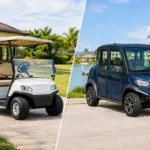
A two-seat golf cart is a smart fit for a couple making quick local trips with a few bags or beach chairs. It takes up less room in a garage, is easy to park, and is often the most efficient choice for a second home where the cart will not carry a full group every day.
A four-seat cart is the popular middle ground for beach-home owners. It gives you room for family, visiting friends, or grandchildren without the larger footprint of a six-passenger model. If the rear seat folds down, it can also handle coolers, luggage, groceries, and beach equipment. That flexibility matters more than many buyers realize.
Six-seat golf carts are best for larger families, rental homes, resort villas, and properties where moving groups is routine. They are convenient, but they require more garage space, turning room, and charging capacity. A longer golf cart can also be less practical on narrow pathways or tight parking areas.
Before choosing seating, think about the trips you make in a typical week. Carrying two adults to breakfast is different from carrying six people, towels, and a cooler to the marina. A cart should make daily life easier, not force you to compromise every time guests arrive.
Choose Beach-Ready Features, Not Just Appearance
Coastal ownership is hard on every vehicle. Salt, humidity, blowing sand, and sun exposure can wear down components faster than they would inland. A quality cart with proper care can perform well near the ocean, but the details matter.
Look for an aluminum frame or corrosion-resistant construction, quality hardware, and durable body panels. Stainless or treated fasteners, protected electrical connections, and a well-finished undercarriage are worthwhile considerations. These features may not be the first thing noticed in a showroom, but they affect long-term ownership.
A roof is essential in hot coastal climates, and a premium windshield can make early-morning or evening rides more comfortable. Many owners also benefit from side enclosures for wind, rain, and dust. If your home is exposed to direct sun, consider seats and materials designed to resist fading and cracking.
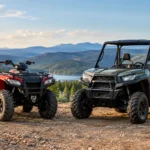
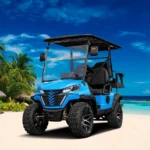
Larger wheels and appropriate tires can improve stability on uneven paved roads, hard-packed paths, and rougher neighborhood surfaces. They are not a substitute for a true off-road vehicle, however. If your route includes deep sand, steep unpaved terrain, or rugged trails, a utility vehicle or UTV may be the better tool.
Keep salt and sand from becoming a service problem
No cart is maintenance-free at the beach. Rinse off sand and salt residue regularly, especially around the wheels, suspension, underside, and battery compartment. Avoid spraying electrical components directly. A simple routine of cleaning, checking tire pressure, and scheduling service can prevent small issues from becoming expensive repairs.
Covered storage is another practical advantage. Keeping the cart out of constant sun and salty air protects the seats, body, electrical system, and battery equipment. If the home will sit empty for part of the year, ask about the correct battery storage procedure before you leave.
Battery Type Matters at a Beach Home
Battery technology affects range, charging habits, maintenance, and the total cost of ownership. For many beach-home buyers, lithium power is the strongest choice because it offers consistent performance, quicker charging, lower maintenance, and less weight than traditional lead-acid batteries.
Lithium batteries are especially useful for owners who use a cart frequently or who may not be at the property every month. They generally handle partial charging better and do not require watering. The upfront price is higher, so a lightly used cart at a seasonal home may still justify a conventional battery setup if budget is the deciding factor.
Lead-acid batteries remain common and can be a good value when maintained correctly. They need more attention, including water-level checks where applicable and proper charging. In a hot climate, neglecting that maintenance can shorten their life quickly.
Do not choose a golf cart based only on its advertised range. Real-world range changes with passenger weight, hills, tire selection, air temperature, driving speed, and accessories. A cart that carries six passengers uphill will consume more power than one making a flat, two-person trip. Choose enough capacity for your normal use, with room for the unexpected.
Street-Legal Golf Carts Require More Than Headlights
Many beach communities allow low-speed vehicles on certain local roads, but rules vary by municipality, development, and country. A cart that is perfect inside a private resort may not be approved for public-road use outside the gate.
If you need road access, ask whether you need a street-legal low-speed vehicle rather than a standard golf cart. Depending on the regulations where you drive, required equipment can include headlights, brake lights, turn signals, mirrors, a windshield, seat belts, a horn, a vehicle identification number, and registration or insurance.
This is not an area for assumptions. Buying a cart with a light kit does not automatically make it street legal. Confirm the permitted roads, speed limits, required documentation, and insurance rules before choosing a model. A knowledgeable dealer can help you match the vehicle to your intended use and avoid buying equipment you cannot legally use.
The Best Golf Cart Configuration for Common Beach-Home Needs
There is no single best model for every property. The right configuration depends on passenger count, terrain, local rules, and how often the home is occupied.
For a couple or small household, a two-seat lithium cart with a rear cargo option is usually efficient, easy to store, and comfortable for neighborhood trips. For families and frequent visitors, a four-seat cart with a flip rear seat offers the best mix of passenger room and utility. It can carry people one trip and supplies the next.
For a vacation rental, large family compound, or hospitality property, a six-seat cart may be the practical choice. Prioritize durable seating, simple controls, dependable batteries, and a service plan. Commercial or rental use places more wear on a vehicle than private use, so buying based on price alone can lead to more downtime later.
If you manage landscaping, maintenance, deliveries, or beach equipment, consider a utility cart with a cargo bed. Passenger carts are great for transportation, but a utility vehicle is built to carry tools and materials safely. Some properties need both, especially when guest transportation and operations are separate jobs.
Do Not Overlook Service, Parts, and Delivery
The value of a cart is not limited to the day it is delivered. You also need access to replacement parts, battery support, warranty guidance, and technicians who understand the vehicle. This is especially important in resort and coastal markets, where a breakdown can disrupt a guest stay, property showing, or planned outing.
Ask direct questions before you buy. Who handles warranty claims? Are service appointments available locally? Can common parts be sourced quickly? What paperwork is needed for delivery or registration? A transparent dealer should be comfortable answering each question clearly.
Coyne Carts helps buyers source personal, commercial, and resort-ready vehicles with delivery and service support in Baja California Sur and beyond. That one-dealer relationship can make a meaningful difference when you need a cart delivered quickly, configured correctly, and supported after the sale.
A beach cart should feel like part of the property, not another project waiting in the garage. Choose the seating and battery setup you will use most, protect it from salt and sun, and buy from a team prepared to support the vehicle long after the keys are handed over.