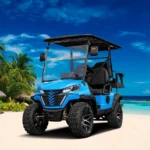
When a guest is waiting at a villa, a golf course needs players moved to the next tee, or a housekeeping team has a narrow service window, transportation cannot become the bottleneck. Fleet shuttles are built to move people efficiently over short, repeated routes while giving operators more control over costs, service, and the guest experience.
For resorts, residential communities, golf properties, rental operators, and hospitality businesses, the right shuttle fleet does more than add seats. It reduces reliance on full-size vehicles for short trips, helps staff stay on schedule, and gives visitors a comfortable way to get around a large property. The key is choosing vehicles around the work they will actually perform, not simply buying the largest shuttle available.
What Fleet Shuttles Need to Do
A commercial shuttle should match the pace, terrain, passenger load, and operating hours of your property. A vehicle that works well for guest transfers from a lobby to the beach may not be the right choice for airport-style arrivals, maintenance crews, or a hilly community with frequent stops.
Before comparing models, define the routes. Measure the distance of a typical trip, note changes in elevation, identify rough or sandy areas, and estimate how many passengers ride during the busiest hour. This information determines whether you need a compact four-passenger vehicle, a six-passenger cart, a larger multi-row shuttle, or a combination of passenger and utility vehicles.
Passenger comfort affects the operation
Capacity matters, but usable capacity matters more. A vehicle may technically seat six or eight people, yet luggage, beach gear, golf bags, or mobility needs can reduce that number in real use. For guest-facing transport, adequate legroom, handholds, weather protection, and easy entry can prevent delays at every stop.
Consider who will be riding. Older guests may benefit from lower step-in height and supportive seating. Families often need room for bags and strollers. Staff routes may require rear-facing cargo space or a utility bed instead of more passenger seats. There is no single best configuration because each route has different demands.
Route conditions determine the right build
Paved resort roads, cart paths, gravel lanes, and beach-adjacent terrain place different demands on a vehicle. Suspension, tire selection, ground clearance, and braking performance should be selected for the property rather than based on appearance alone.
If your shuttles operate near public roads, confirm the local rules before choosing a street-legal low-speed vehicle. Registration, lighting, mirrors, speed limits, and approved road types can vary by jurisdiction. A street-legal unit can be useful for the right route, but it is not automatically necessary for every operation.
Start With the Route, Not the Vehicle
The most efficient fleet plan begins with a simple operating map. Identify pickup points, destinations, shift changes, charging locations, and the times when demand rises. Resorts often see predictable surges around check-in, dinner reservations, beach departures, and event start times. Golf facilities may need concentrated movement before tee times and at the end of a round.
Then look at the round-trip cycle. If a shuttle takes 12 minutes to complete a loop and carries six passengers, one vehicle can move a limited number of people per hour. If demand exceeds that capacity, guests wait and staff begin improvising with personal vehicles or utility carts that were not intended for passenger transport.
A practical approach is to plan for peak periods rather than average demand. You may only need two shuttles during most of the day, but a third vehicle can protect service during check-in rushes, private events, or when one unit is being serviced. That spare capacity is often less expensive than lost time, guest complaints, and rushed repairs.
Choosing Electric or Gas Fleet Shuttles
Electric fleet shuttles are a strong fit for many resorts, gated communities, and golf properties. They operate quietly, have no tailpipe emissions at the point of use, and are particularly effective on predictable routes where vehicles can return to a charging area. For guest transportation, the lower noise level is a real advantage near rooms, pools, restaurants, and event spaces.
Electric operation does require a disciplined charging plan. Battery range changes with passenger weight, hills, tire condition, driving habits, accessory use, and battery age. A manufacturer range estimate is a starting point, not a guarantee for your busiest day. Build a charging schedule around actual route mileage and leave a margin for unexpected trips.
Gas-powered shuttles can make sense where routes are longer, terrain is demanding, or charging access is limited. They can also be practical for operations that run extended shifts without a reliable window for recharging. The trade-off is more routine engine maintenance, fuel management, and additional noise.
For some properties, a mixed fleet is the best answer. Electric passenger shuttles can handle guest loops and internal transport, while gas or heavy-duty utility vehicles support maintenance teams, off-property trips, and work that requires more range or payload. Matching each vehicle to its job usually produces better results than forcing one platform to handle every task.
Size Your Fleet for Real Operations
Buying one large vehicle instead of two smaller units can look efficient on paper, but it can create service gaps. A single large shuttle may be idle during quiet periods and unavailable when it needs maintenance. Smaller vehicles can offer more flexible routing, faster response, and easier coverage across different areas of a property.
On the other hand, too many small carts can increase labor costs and complicate charging, parking, and maintenance. The right balance depends on whether your operation needs scheduled loops, on-demand pickups, or both.
Think about these four operational questions before ordering:
- How many passengers must move during the busiest 30 to 60 minutes?
- How long is each round trip, including loading and unloading?
- Where will each vehicle charge, park, and receive daily inspections?
- What happens when one shuttle is unavailable for service or repair?
The answers will tell you far more than a brochure seat count. They also help establish a realistic purchase budget by showing where a smaller support vehicle, spare unit, or upgraded battery package will protect daily service.
Plan for Charging, Service, and Parts Before Delivery
A shuttle is only useful when it is ready to work. Charging infrastructure, preventive maintenance, and parts availability should be part of the purchase decision from the beginning.
For electric fleets, determine whether your existing electrical capacity can support the planned chargers. Charging all vehicles at the same time may require more power than expected, especially as the fleet grows. Assigning dedicated charging spaces and setting overnight charging procedures helps protect batteries and prevents staff from guessing which vehicle is ready in the morning.
Daily inspections should be simple and consistent. Operators should check tires, brakes, steering, lights, battery charge or fuel level, seat condition, and any unusual sounds before beginning a shift. Small issues found early are usually less disruptive and less expensive than failures that take a vehicle out of service mid-day.
Service support matters even more for commercial buyers than for personal cart owners. Ask about warranty coverage, routine maintenance requirements, parts availability, and turnaround expectations for repairs. A lower purchase price can lose its advantage quickly if the vehicle is difficult to service or parts take too long to arrive.
Coyne Carts helps commercial buyers evaluate passenger capacity, utility needs, vehicle availability, and support options for fleets operating in Cabo San Lucas and across Baja California Sur. The goal is not to push a one-size-fits-all model. It is to put dependable vehicles into an operation with a clear plan for delivery, service, and long-term use.
Avoid the Most Common Shuttle Buying Mistakes
The first mistake is buying based on maximum seating alone. A full vehicle on a short, flat route is different from a full vehicle climbing grades with luggage, frequent stops, and hot-weather operation. Make sure the vehicle has the power, range, and braking capability for the conditions it will face every day.
The second is treating the shuttle as a standalone purchase. Charging equipment, driver training, maintenance schedules, spare parts, and secure parking all affect reliability. Build these requirements into the budget rather than trying to solve them after vehicles arrive.
The third is overlooking appearance and consistency. Guest-facing fleet shuttles become part of the property experience. Clean seating, matching vehicles, proper signage, and attentive drivers make transportation feel organized and professional. A well-managed fleet quietly reinforces the quality of the entire operation.
A good shuttle fleet should make movement around your property feel easy, not noticeable. When guests arrive where they need to be comfortably and on time, and staff have the right vehicle for each task, your transportation program is doing exactly what it should.