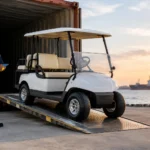
A golf cart can look simple to move until you need it delivered across a state line, over an international border, or to a resort community with limited access. This golf cart shipping guide explains what affects the price, how to prepare the vehicle, and what to confirm before a carrier arrives. A little planning protects your investment and prevents the kind of delivery delays that can hold up a property project, rental fleet launch, or busy season.
Start With the Right Shipping Plan
Golf cart shipping is not one-size-fits-all. A two-seat electric cart going from a dealership to a nearby home has very different transport needs than a six-passenger street-legal vehicle headed to Baja California Sur, the Caribbean, or a commercial property in another country.
The first decision is whether the cart will travel on an open trailer or in an enclosed trailer. Open transport is usually the more cost-conscious choice. It works well for standard carts that are ready for normal road exposure and for buyers whose pickup and delivery points are easy for a large truck to reach. The trade-off is that the vehicle will be exposed to weather, dust, and road debris.
Enclosed transport offers more protection for custom carts, premium finishes, electronics, or vehicles moving long distances through harsh weather. It generally costs more and may have less frequent availability, but it can be the better value when protecting a higher-end vehicle matters more than saving on freight.
Shipping method also depends on how many vehicles are moving. A single personal cart may ship with other vehicles on a shared carrier. Resorts, golf courses, rental operators, and service fleets can often benefit from dedicated transport for several carts at once. A full shipment can simplify scheduling and reduce the per-unit freight cost, especially when the destination has a firm opening date.
What Determines Golf Cart Shipping Cost?
Freight quotes should be clear enough that you understand what is included. The cheapest number is not always the lowest final cost if it excludes residential service, special equipment, insurance limits, customs handling, or destination fees.
Distance is the most obvious factor, but it is not the only one. Larger carts take more trailer space and may weigh more, particularly six-seat models, lifted carts, utility vehicles, and units with heavy accessory packages. A cart with a roof rack, rear cargo box, brush guard, oversized tires, or a tall roof can affect the carrier type required.
Pickup and delivery access matters as well. A full-size transport truck may not be able to enter a narrow residential street, gated community, marina, resort driveway, or remote coastal property. In those cases, the carrier may arrange a nearby meeting point or use a smaller local truck for final delivery. Confirm that plan before the cart is loaded, not when the driver is already at the destination.
Timing changes the price, too. Flexible pickup windows often create more options. Expedited shipping can be worthwhile when a cart is needed for a grand opening, event, vacation arrival, or seasonal rental demand, but it usually comes at a premium. Ask whether the quote is based on standard scheduling or a guaranteed pickup and delivery window.
Prepare the Cart Before Pickup
Preparation is about safety, documentation, and making sure the cart arrives in the condition expected. A professional carrier may have its own requirements, but these steps are a dependable starting point.
Before handoff, clean the vehicle enough to make its condition easy to document. Take dated photos from all sides, including the roof, seats, wheels, windshield, dash, batteries, charger, and any existing scratches or cosmetic marks. Keep copies of the bill of sale, vehicle identification information, and the transport agreement in a place you can access during delivery.
For electric carts, confirm the battery type and follow the carrier’s instructions for charge level and disconnect procedures. Lithium batteries may have different transport requirements than lead-acid batteries. Do not assume every carrier handles them the same way. If the cart uses lead-acid batteries, check for secure battery hold-downs and any signs of leakage or corrosion before transport.
For gas carts, fuel level requirements can vary by carrier and route. In many cases, a low fuel level is preferred. Secure loose accessories, remove personal items, and make sure keys, remotes, charging cables, and paperwork are accounted for. If the cart has a cover, include it only if it can be properly secured and the carrier approves it.
A practical pre-shipping checklist includes:
- Photograph the cart and record its condition before pickup.
- Confirm the VIN or serial number and match it to the paperwork.
- Secure or remove loose accessories and personal belongings.
- Verify battery, fuel, key, and charger instructions with the carrier.
- Measure the cart’s height, width, length, and any added accessories.
Accurate measurements are especially useful for lifted vehicles and carts with custom bodies. An incorrect height estimate can lead to a last-minute equipment problem or an unexpected change in price.
Paperwork for Cross-Border Golf Cart Shipping
Moving a golf cart between the United States, Mexico, Canada, or an island destination requires more than a domestic bill of lading. Customs documentation, ownership records, declarations, duties, taxes, and import rules can change based on where the vehicle was built, its value, its age, and its intended use.
This is where working with a dealership or logistics partner experienced in cross-border transport can save time. The paperwork needed for a personal-use cart may differ from the documents required for a resort fleet, rental business, or commercial utility vehicle. Street-legal low-speed vehicles can also have registration and compliance considerations that standard golf carts do not.
Do not wait until pickup day to ask about import requirements. Confirm who is responsible for customs clearance, which documents must travel with the cart, whether taxes or duties are included in the quoted cost, and what happens if the shipment is held for inspection. If you are shipping several vehicles, verify that every unit is listed correctly. A serial-number mismatch can delay an entire load.
Coyne Carts works with buyers who need vehicles delivered across borders and to tourism-driven markets, helping make the purchase and shipping process easier to coordinate from the start.
Inspect the Cart at Delivery
The delivery inspection is your opportunity to compare the vehicle against the pickup condition report. Meet the driver if possible, or designate someone who understands the order and has authority to document any issue. Inspect the cart before signing the final delivery paperwork.
Check the body panels, roof, windshield, seats, tires, wheels, lights, mirrors, and accessories. Turn the vehicle on, verify charging equipment is present, and confirm that the cart matches the model, color, seating capacity, and options ordered. For fleet shipments, count each unit and review serial numbers before the carrier leaves.
If you find damage or a missing item, take clear photos immediately and note the issue on the delivery receipt. A verbal conversation is not enough. Written documentation at delivery gives you a much stronger starting point for a freight claim or follow-up with the shipping provider.
Questions Worth Asking Before You Book
A trustworthy shipping conversation should leave few surprises. Ask whether the carrier is properly insured, whether the quote includes pickup and destination service, and whether the delivery window is estimated or guaranteed. Confirm the cart dimensions and whether an open or enclosed trailer is planned.
For international shipments, ask who manages customs documents and whether the quoted amount includes brokerage, port handling, taxes, or duties. For a resort, rental company, or property manager, discuss unloading equipment, delivery appointments, and where multiple vehicles can be staged safely.
It also helps to ask what support is available after delivery. Shipping is only one part of ownership. Buyers should know how warranty questions, replacement parts, battery service, and scheduled maintenance will be handled once the cart reaches its destination.
The best shipment is not simply the fastest or least expensive one. It is the one planned around your vehicle, your location, and the date you actually need the cart ready to work. Get the details in writing, prepare the vehicle carefully, and choose a transport plan that gives you confidence before the wheels ever leave the ground.