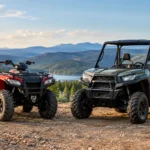
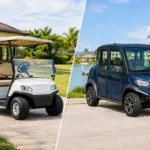
A UTV can become a jobsite workhorse, a reliable property vehicle, or the machine that gets your family farther into the places a regular vehicle cannot go. UTV financing makes that purchase more manageable for many buyers, but the monthly payment is only one part of the decision. The best financing plan fits the vehicle, your intended use, your budget, and the terms you can realistically carry.
Before you choose a unit based on payment alone, take a close look at the full cost of ownership. That means the purchase price, interest, insurance, registration requirements, accessories, maintenance, and the down payment you are prepared to make. Clear numbers upfront make for a better purchase and fewer surprises after delivery.
How UTV Financing Usually Works
Most UTV loans are installment loans. A lender pays the dealer or seller, then you repay the lender in fixed monthly payments over an agreed term. Terms commonly range from 24 to 84 months, though availability depends on the lender, the age and price of the vehicle, your credit profile, and whether the UTV is for personal or commercial use.
A longer term can lower the monthly payment, which may help preserve cash for accessories, insurance, or business operations. The trade-off is simple: you will usually pay more interest over the life of the loan. A shorter term raises the payment but can reduce the total amount paid and build equity faster.
For example, two loans can have the same purchase price but very different costs. A low monthly payment may look attractive until you see that the loan extends for six or seven years. Ask for the total of payments, not just the payment amount, before making a decision.
What lenders may review
Personal lenders often look at your credit history, income, existing debt, down payment, and the vehicle being financed. Business financing can involve additional review, including time in business, revenue, bank statements, entity documents, and the intended use of the vehicle.
A strong credit profile may qualify for better rates or more flexible terms, but buyers with imperfect credit should not assume financing is out of reach. Requirements vary. A larger down payment, a less expensive model, or a shorter loan amount can sometimes improve approval options.
If you are buying from outside the country where the vehicle will be registered or used, financing can be more specific. Lenders may have requirements tied to buyer residency, delivery location, title documentation, and registration. Get those details confirmed before you place a deposit, especially for cross-border purchases or delivery to resort and coastal markets.
Set a Realistic Budget Before Applying
Start with the out-the-door price rather than the advertised vehicle price. The out-the-door number may include taxes, documentation, freight or delivery, setup, registration-related costs, and any accessories added to the deal. A windshield, roof, winch, upgraded tires, lighting, cargo solution, or enclosed cab can all be worthwhile, but each affects what you finance.
A down payment is one of the best ways to control the loan. It reduces the amount borrowed, lowers the monthly payment, and may reduce the risk of owing more than the vehicle is worth early in the loan. There is no single required percentage that works for every buyer, but putting money down creates more flexibility.
Also leave room in your monthly budget for ownership costs. Recreational riders may need a trailer, protective gear, fuel, storage, and insurance. Property owners may need service tools or attachments. Commercial buyers should account for driver training, scheduled maintenance, fleet insurance, and downtime planning. The right UTV is a productive asset only when it is kept ready to work.
Compare Loan Offers the Right Way
A financing offer should be easy to understand. If a lender or dealer cannot clearly explain the rate, term, fees, and total cost, pause before signing. Transparent paperwork matters as much as a competitive monthly payment.
When comparing offers, review the annual percentage rate, or APR, rather than interest rate alone. APR can give a more complete view because it may account for certain finance charges. Review whether there are origination fees, prepayment penalties, required insurance coverage, or late-payment charges.
You should also ask whether the quoted payment assumes a down payment and whether taxes, accessories, and delivery are included in the financed balance. A quote that seems dramatically lower may be based on a longer term or may exclude costs you still need to pay at signing.
For business buyers, separate personal convenience from operational value. Financing a utility UTV for a resort, golf course, maintenance department, or rental operation can preserve working capital for payroll, inventory, and repairs. But the payment should be supported by a realistic plan for utilization. A unit that sits unused does not become a better investment because the monthly payment is low.
Choose the UTV Before You Choose the Term
Financing should support the right vehicle, not push you into a unit that does not match your work or recreation needs. Consider passenger capacity, cargo bed size, towing capacity, ground clearance, drivetrain, engine size, and the terrain where you will use it.
A two-seat utility model may be ideal for moving tools and supplies around a large property. A crew model can make more sense for a resort team, ranch staff, maintenance crew, or family that regularly carries passengers. For rough trails, suspension travel and ground clearance may matter more than cargo capacity. For daily commercial work, durability, service access, and parts availability should carry more weight.
Used UTVs can offer meaningful savings and may be a smart choice when the condition and service history are clear. However, used-vehicle loan terms are sometimes shorter or carry higher rates than new-unit financing. A lower purchase price does not automatically mean a lower overall financing cost, so compare both options on the same terms.
Accessories can be worth financing – selectively
Some accessories improve safety, productivity, or the vehicle’s suitability for local conditions. A roof and windshield can make regular use more comfortable. A winch may be essential for certain terrain or work tasks. A bed extender, tool rack, or protective skid plate can add real utility.
The question is whether the accessory solves a genuine need. Add-ons can increase the financed amount quickly. Prioritize equipment that makes the UTV safer, more useful, or more durable, then consider cosmetic upgrades after the core purchase is within budget.
Questions to Ask Before You Sign
Before finalizing UTV financing, make sure you can answer these questions clearly:
- What is the out-the-door price, including accessories and delivery?
- How much am I putting down, and what will I pay at signing?
- What are the APR, monthly payment, loan term, and total of payments?
- Are there fees or penalties for paying the loan off early?
- What insurance, registration, or title requirements apply where the UTV will be used?
- What warranty and service support are available after the sale?
These questions are especially valuable when purchasing for a remote home, a second residence, or a commercial operation. Service support can be as important as the initial price. Confirm who will handle warranty work, routine maintenance, parts, and any future repairs before you commit.
Financing for Commercial UTV Fleets
Commercial buyers often have different priorities than individual riders. A resort may need multiple units for guest transportation, landscaping, security, luggage movement, or maintenance. A rental operator may need vehicles that are easy to inspect, clean, maintain, and replace. A golf course or large community may need consistent fleet specifications so staff can service units efficiently.
For these purchases, consider financing in relation to fleet lifecycle. Buying several vehicles at once can create operational consistency, but it also concentrates the upfront investment. Financing may help spread that cost while allowing the business to place the right number of units into service sooner.
Ask about vehicle availability, delivery timing, warranty coverage, service capacity, and replacement parts. Coyne Carts works with personal and commercial buyers who need practical vehicle options, straightforward paperwork, and support after the sale. That dealership relationship matters when the UTV is part of daily operations, not just a weekend purchase.
A good loan should make the right UTV easier to own without putting pressure on the rest of your budget. Take the time to compare the full deal, choose a vehicle built for the work ahead, and make sure service and support are in place long after the paperwork is complete.